





Symptoms and history
Your dentist asks when symptoms began, what triggers them, and about swelling, injuries, previous treatment and relevant medical history.
Root canal treatment may help retain a tooth when its pulp — the tissue containing nerves and blood vessels — is inflamed or infected. Suitability depends on the tooth’s condition and whether it can be restored afterwards.
Call promptly for severe toothache, facial swelling or fever. For difficulty breathing or swallowing, call 000 or go to an emergency department.
May be appropriate for
Assessing persistent toothache, temperature sensitivity, biting pain, swelling, deep decay, trauma or suspected pulp infection.
Fees
Fees vary with the tooth, canal anatomy, appointments, records and the final restoration. We discuss itemised costs before treatment begins.
Risks and limitations
Keeping the tooth cannot be guaranteed. Your dentist explains relevant complications, alternatives, follow-up and possible further treatment.
Tooth pain does not always show which tooth is affected or whether root canal treatment is needed. An examination can help identify the cause, assess urgency and explain your options.
Pain may come from the pulp, a crack, the gums, the bite or nearby tissues. Your dentist checks the likely cause first; the exact assessment depends on your tooth and your symptoms.
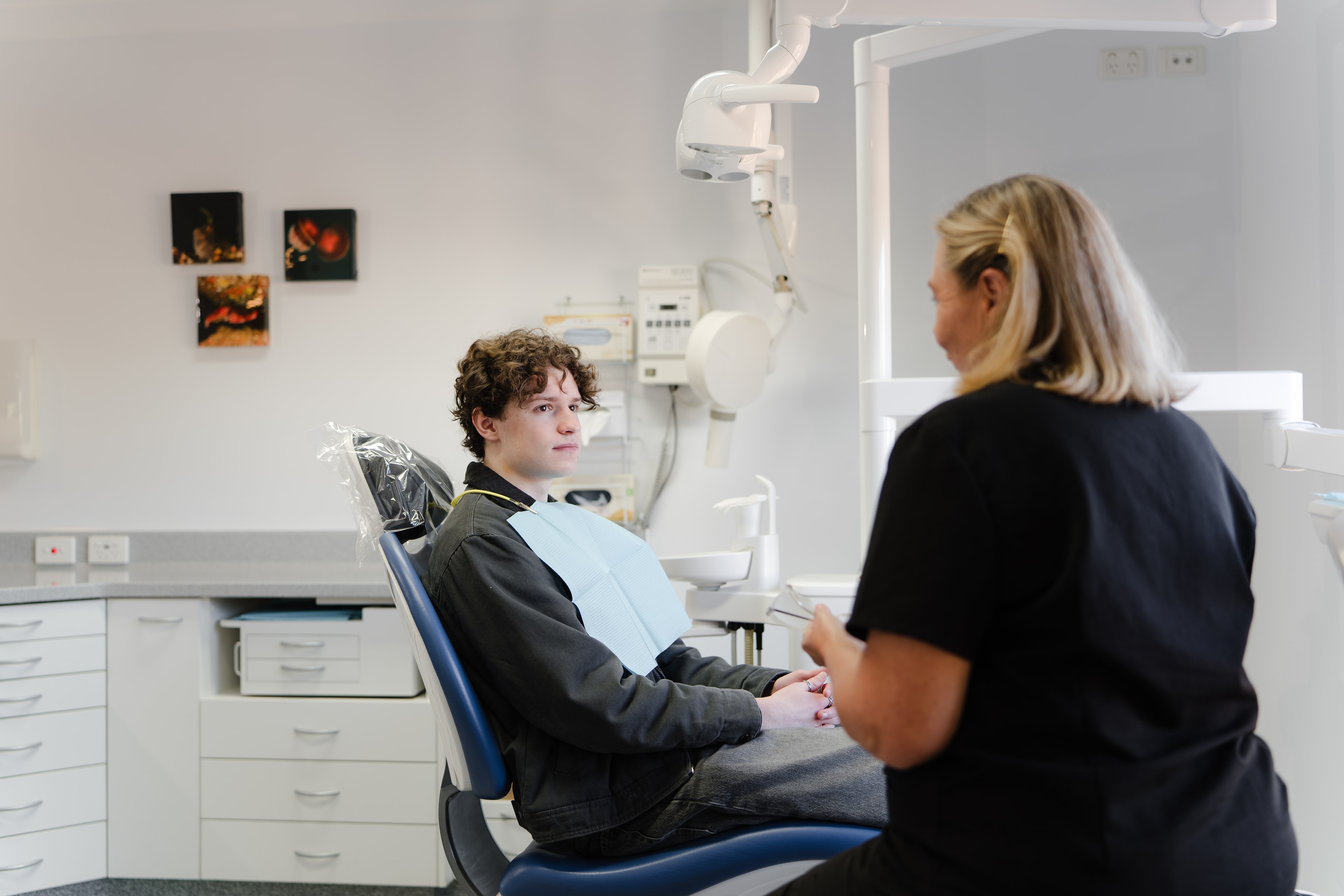
Your dentist asks when symptoms began, what triggers them, and about swelling, injuries, previous treatment and relevant medical history.
Checks may include temperature response, biting tenderness, tooth movement and gum health, with nearby teeth assessed for comparison.
Decay, cracks, remaining tooth structure, gum support and biting forces help determine whether the tooth can be restored.
X-rays help assess roots, surrounding bone and previous treatment. Complex findings may need referral to an endodontist, a root canal specialist.
The first visit may involve assessment, urgent care or starting treatment. Root canal treatment removes damaged pulp, then cleans, disinfects and fills the canals. The stages depend on your tooth.

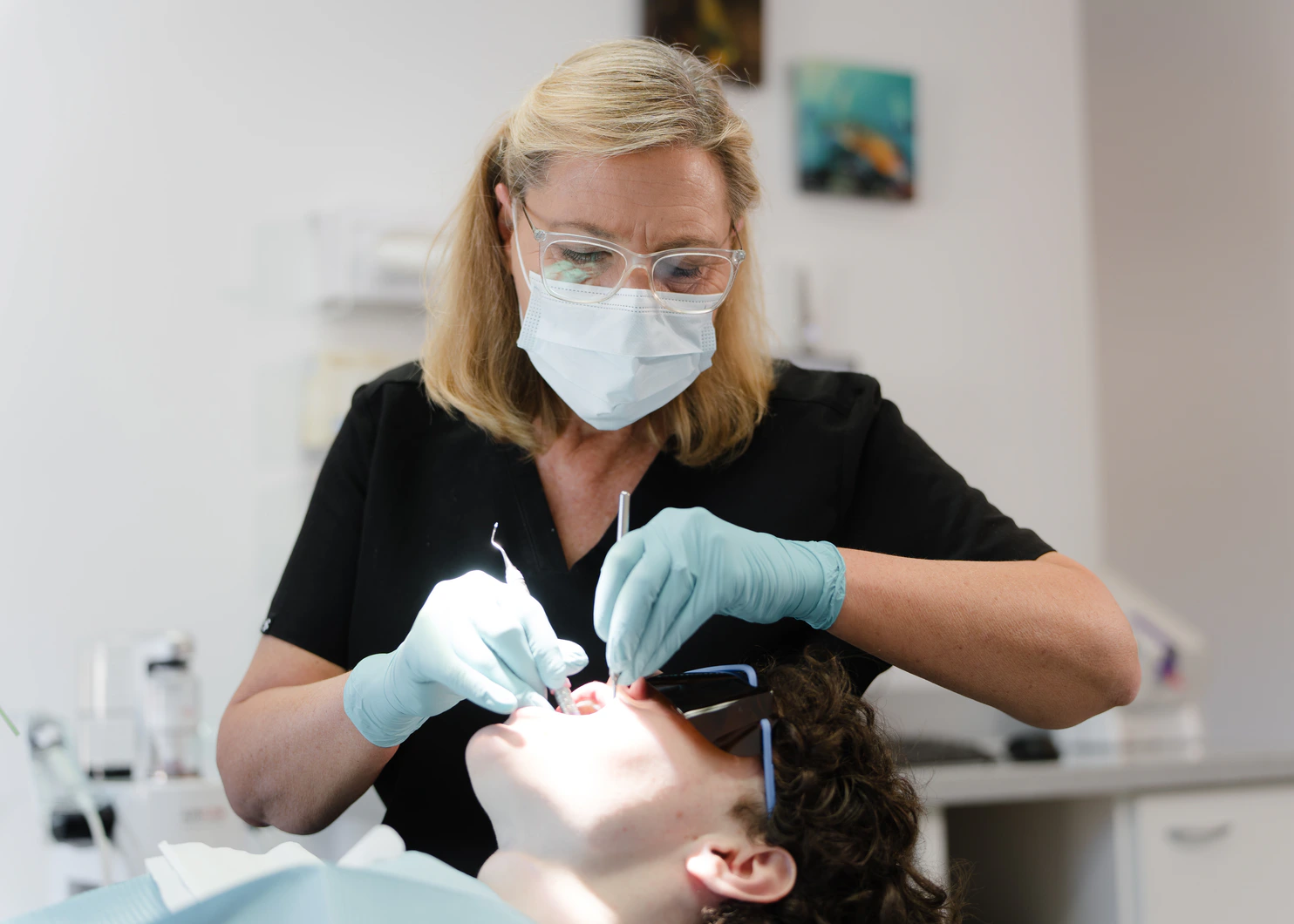
Your dentist reviews your symptoms and history. X-rays and tests of temperature response, tapping or biting may help assess the tooth, roots and surrounding tissues.

Root canal treatment, specialist referral, extraction or another suitable approach are discussed. Your dentist explains the stages, risks, limitations, restoration needs and expected fees before proceeding.
If treatment proceeds, the canals are cleaned, shaped, disinfected and sealed. A filling, onlay or crown then restores the tooth, depending on its remaining structure and bite.

Some tenderness after treatment can occur and should generally ease. Follow your dentist’s advice for the treatment completed and any temporary restoration.
Your treatment plan may include restoring the tooth, considering extraction, arranging urgent care or discussing fees. These pages explain the related options.
























Find practical answers about comfort, appointments, restoration, retreatment and caring for your tooth over time.
Retreatment may be considered if infection persists or returns and the tooth can still be restored. Existing canal filling material is removed so the canals can be reassessed, cleaned and sealed again. Your dentist may recommend an endodontist. Further treatment cannot guarantee that the tooth will be retained.