





Affected area
The position and size of decay, wear, a chip or a fracture influence the type and extent of repair that may be considered.
A dental filling may be considered when decay, wear, a chip or an older restoration has affected part of a tooth. The appropriate repair depends on the remaining tooth structure, symptoms and bite.
Book online for an assessment, or call the practice if you have tooth sensitivity, a chipped or broken tooth, a lost filling, swelling or a sharp edge.
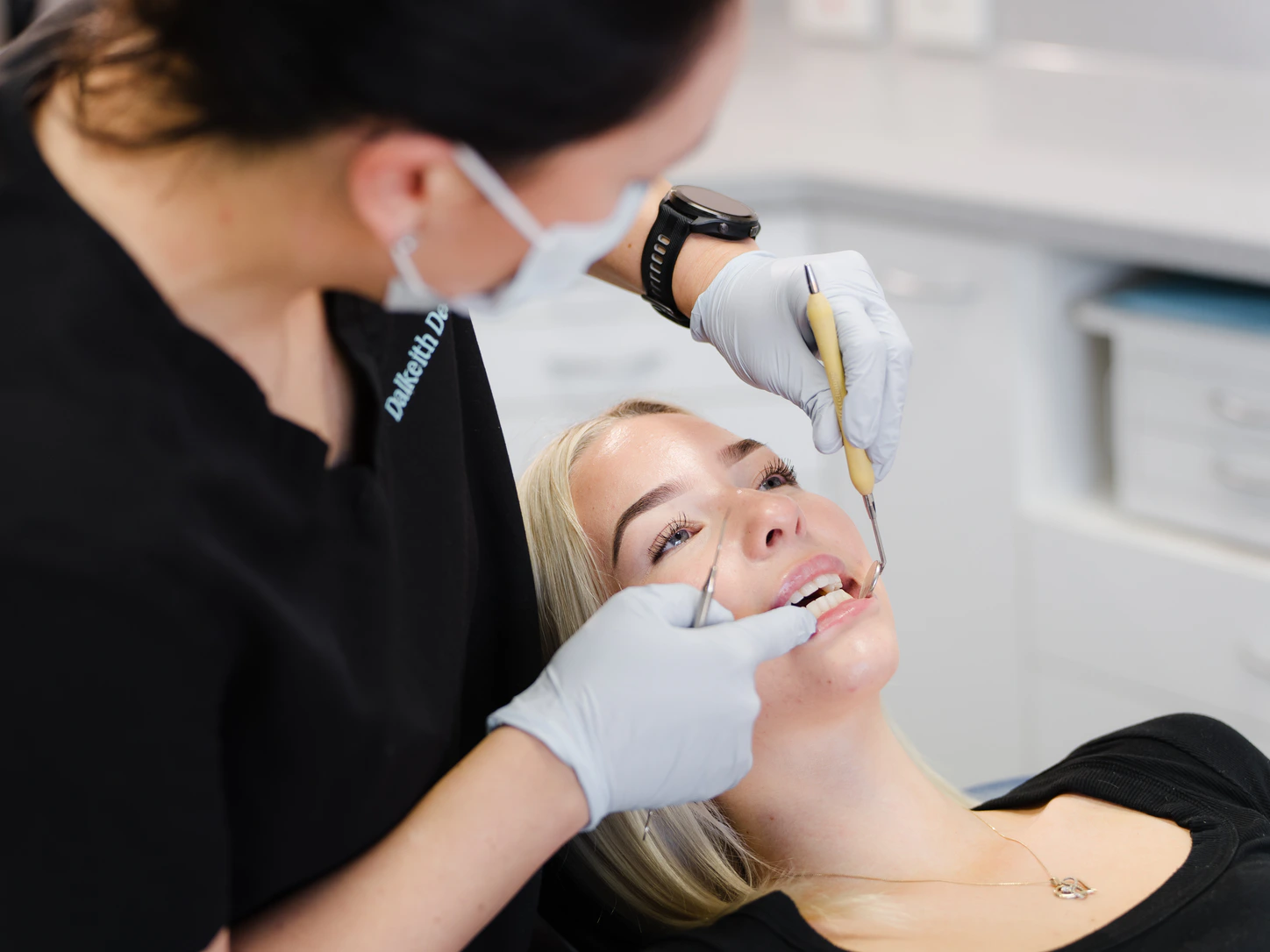
May be considered for
Decay, small chips, worn areas, lost or damaged fillings, and changes around an older restoration.
Fees
Fees depend on the tooth, filling size, and treatment complexity. Itemised costs are discussed before treatment.
Risks and limitations
Relevant risks, limitations, maintenance requirements and the possibility of further care are explained before treatment proceeds.
A tooth can change without immediately becoming painful. An examination can help identify whether the cause is decay, wear, a fracture, an older restoration or another dental condition.
The extent of the assessment depends on your symptoms, dental history and the condition of the tooth.
The position and size of decay, wear, a chip or a fracture influence the type and extent of repair that may be considered.
Sensitivity, pain when biting, lingering discomfort, swelling or previous trauma may indicate that further assessment is needed.
Bite pressure, grinding, tooth position and the ability to keep the area dry can affect material choice and treatment planning.
Existing restorations, cracks and remaining tooth structure help determine whether a filling or another option may be appropriate.
Assessment and treatment may occur at the same visit or at separate appointments. This depends on the findings, required records, treatment complexity, available time and informed consent.
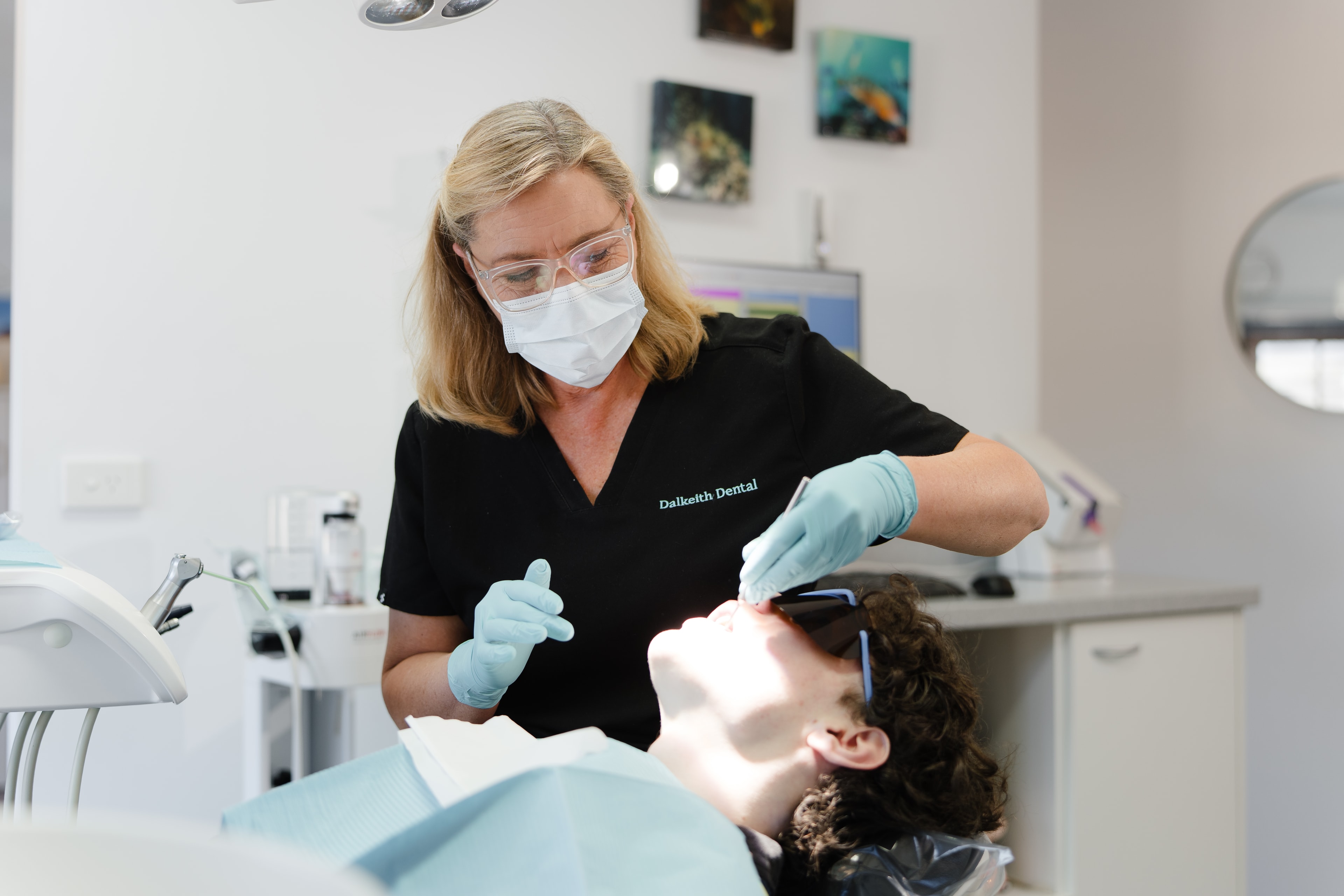
The dentist discusses the symptoms, examines the tooth and may recommend radiographs or other records when clinically indicated.
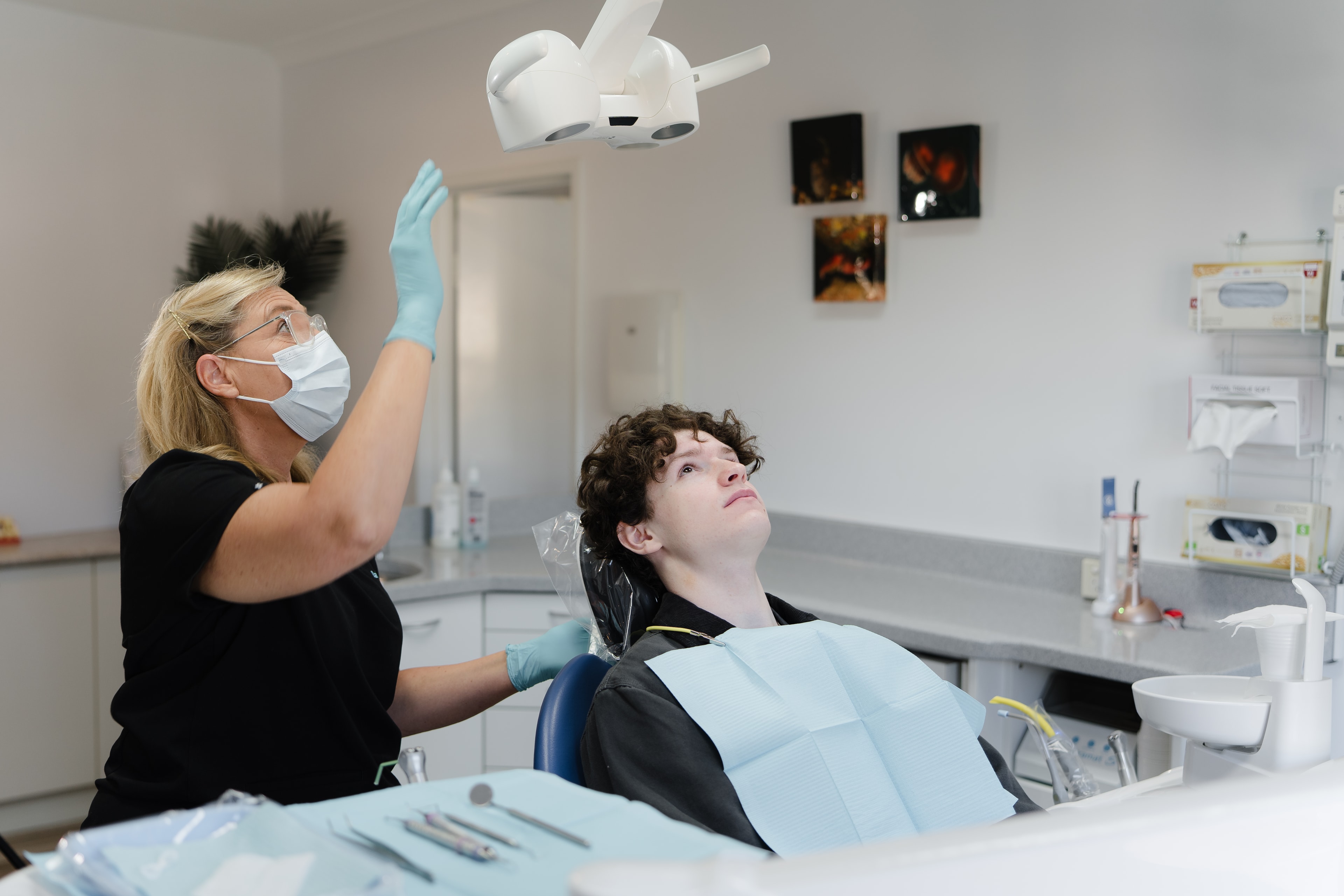
The recommended material, preparation, alternatives, possible risks, limitations and expected fees are explained before treatment proceeds.
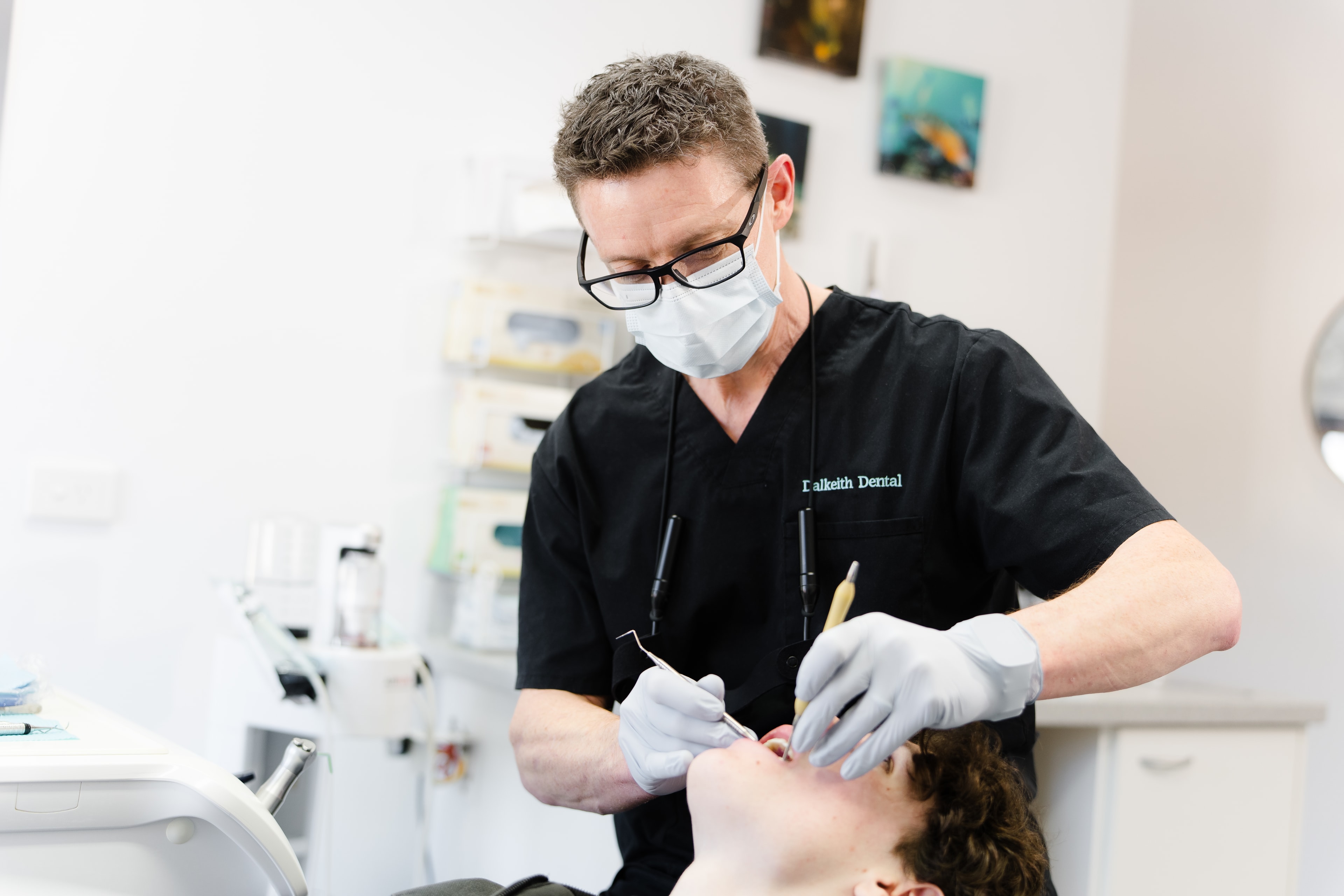
If treatment proceeds, the affected area is prepared and restored. The filling is shaped, the bite is checked and relevant care instructions are provided.
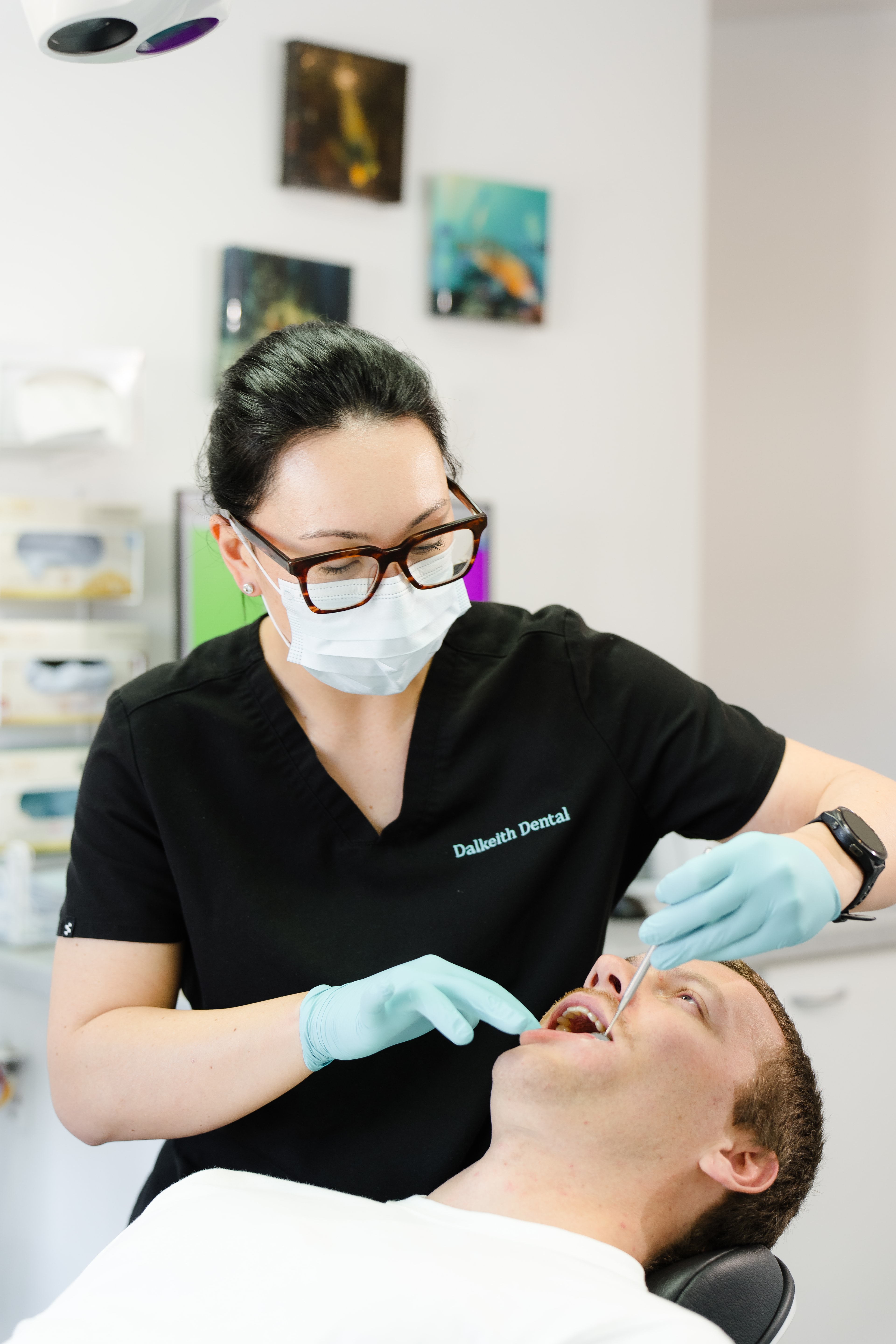
The tooth and filling can change over time. Home care and dental check-up help monitor the filling margins, surrounding tooth structure and bite.
























Answers to common questions about filling appointments, older restorations and factors that may affect treatment planning.
The experience varies depending on the tooth, symptoms and extent of the repair. Local anaesthetic may be recommended where clinically appropriate. Temporary tenderness or sensitivity can occur afterward, and persistent or worsening discomfort should be assessed.