





01
Name what usually makes visits hard
The team listens to what worries you, including previous experiences, embarrassment, gagging, needle concerns, sounds, pain, or feeling unable to stop.
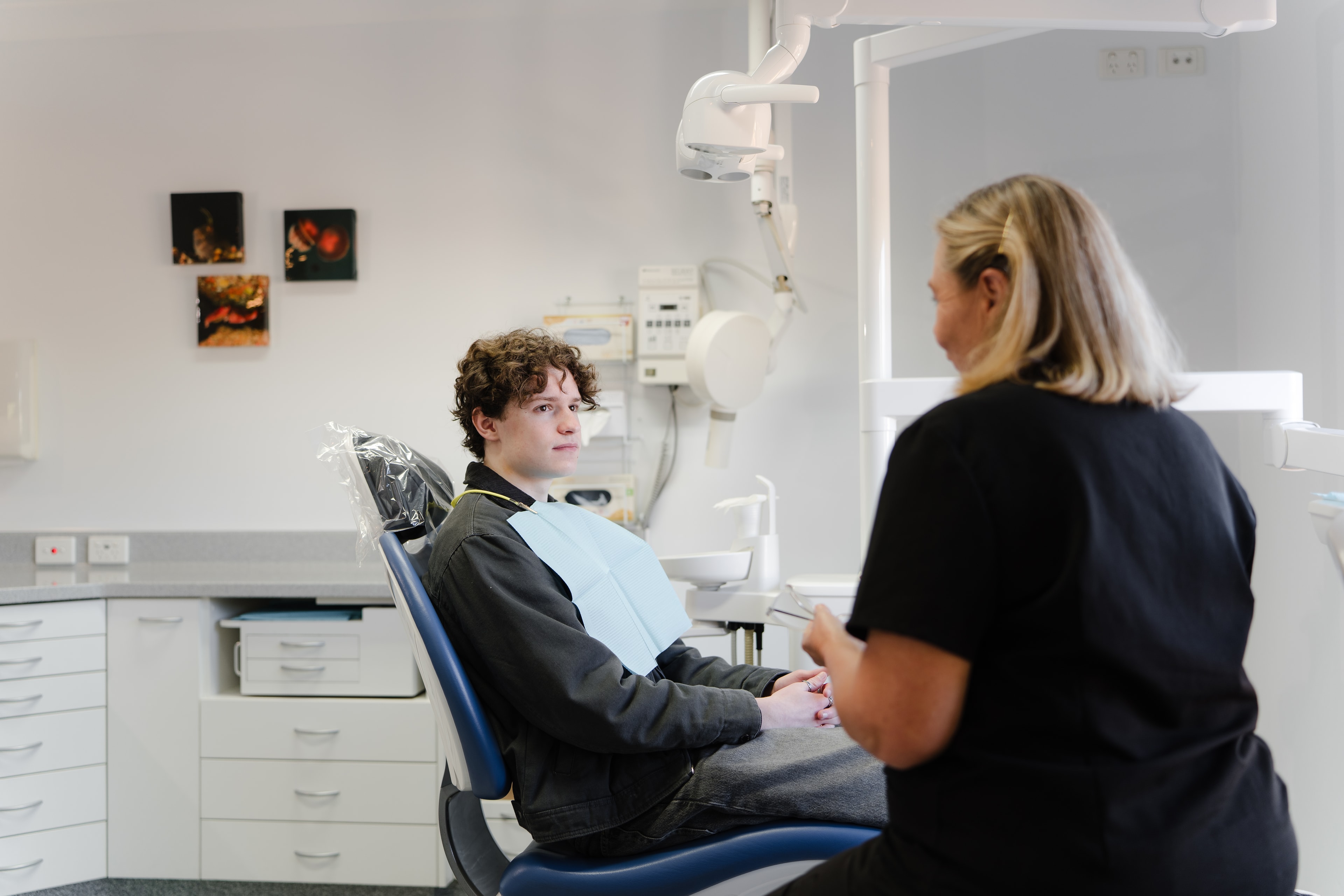
If you feel anxious, embarrassed, tense or worried about losing control, tell us. You do not need to hide it or wait until you are in the chair.
Tell reception if anxiety, gagging, previous experiences or sedation questions may affect the appointment so the team can note it before you arrive.
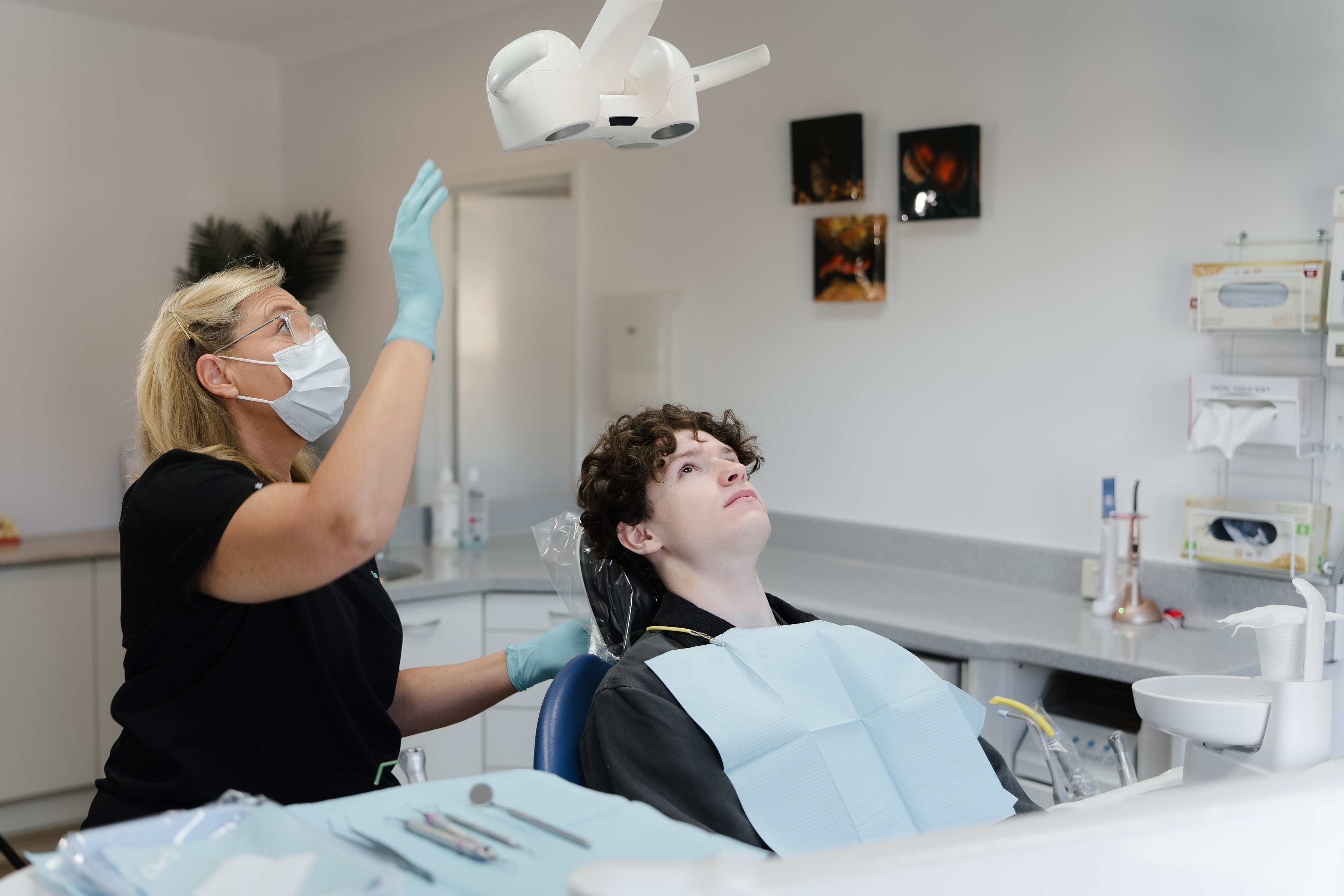
Booking
Tell the team if you feel anxious, have avoided care, need extra time, or want to discuss sedation before booking
Costs
Assessment, treatment, staging, and sedation needs can affect fees; itemised costs and any separate sedation fees are discussed first
RISKS & LIMITATIONS
Possible risks, limitations, expected maintenance requirements, and the potential need for additional care are discussed where relevant before treatment begins.
The first appointment can be as simple as a conversation and an assessment. We can slow things down, explain before we do anything, pause when needed and discuss staged care or sedation options if they may be appropriate.
You do not need to know which kind of support to request. A conversation-first visit, a slower check-up, agreed pauses, staged care, or a sedation assessment may suit different concerns; the right starting point depends on what has made dental care difficult for you.
Whether a check-up is due or there is a dental concern, the reception team can help arrange an appropriate appointment. Book online or call the practice to get started.
The first visit can begin with what you are worried about and what would help you stay in control. From there, you and the dentist can agree on a manageable amount to assess and decide whether another appointment or a particular support pathway is needed.
The team listens to what worries you, including previous experiences, embarrassment, gagging, needle concerns, sounds, pain, or feeling unable to stop.
Your dentist checks what is clinically needed at a pace that fits the appointment, and explains when radiographs, urgent care, hygiene, or treatment planning may be useful.

You can discuss pacing, agreed pauses, treatment staging, costs, health fund questions, and whether sedation or another support option may be suitable.

Some concerns sit closer to prevention, children's care, orthodontics or urgent advice. Use these links if they sound more like the reason you are booking.
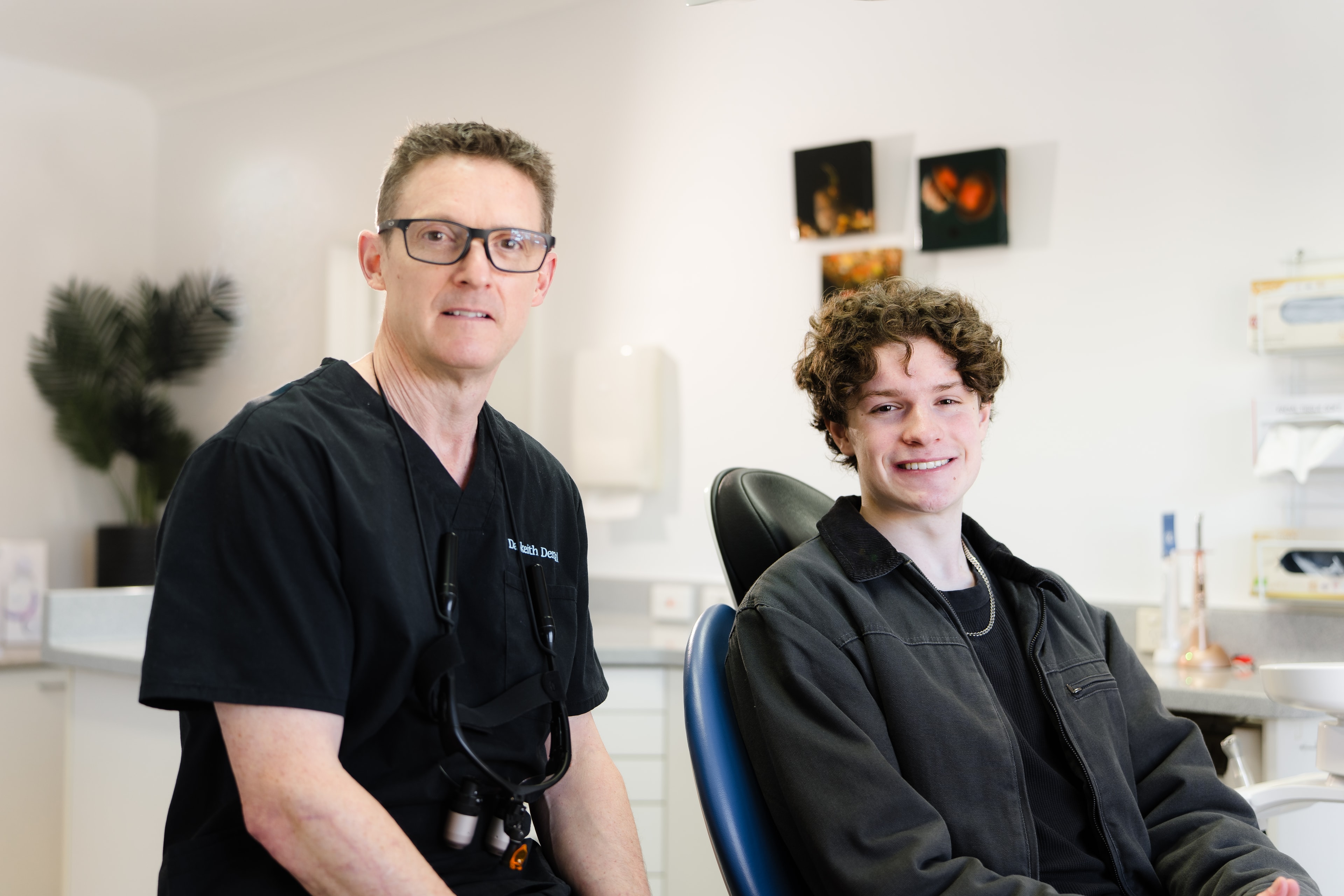
Following an assessment, relevant findings and available options are explained. Patients can ask questions and consider the information provided before deciding whether to proceed.
Patients can request explanations before each step and advise the team of any communication, access or appointment-pacing needs.
Where relevant, proposed treatment, alternatives, material risks, limitations and expected fees are discussed before consent is requested.
The practice provides general, preventive, restorative, children's, orthodontic, cosmetic and urgent dental services. Recommendations depend on individual needs and clinical findings.
























Answers to common questions about dental anxiety, overdue visits, judgement, pausing, costs, urgent symptoms, children, and sedation options.
No. Many people delay dental care because of anxiety, cost, time, embarrassment, or a previous experience. The first visit can focus on understanding what is happening now, prioritising urgent needs, and deciding what feels manageable next.