





Denture fit and condition
The base, teeth, clasps, cracks, wear, bite and stability are checked. Your ability to insert, remove and clean the denture also matters.
Dentures replace some or all missing teeth with a removable appliance. At Dalkeith Dental, we assess your mouth and any existing denture before discussing a new denture, adjustment, repair, reline or replacement. Fit, chewing and speech vary, and dentures need ongoing care.
Do not glue a broken denture at home. Call 08 9386 3437 if it breaks, causes injury or makes eating difficult. Bring the denture and any broken pieces.
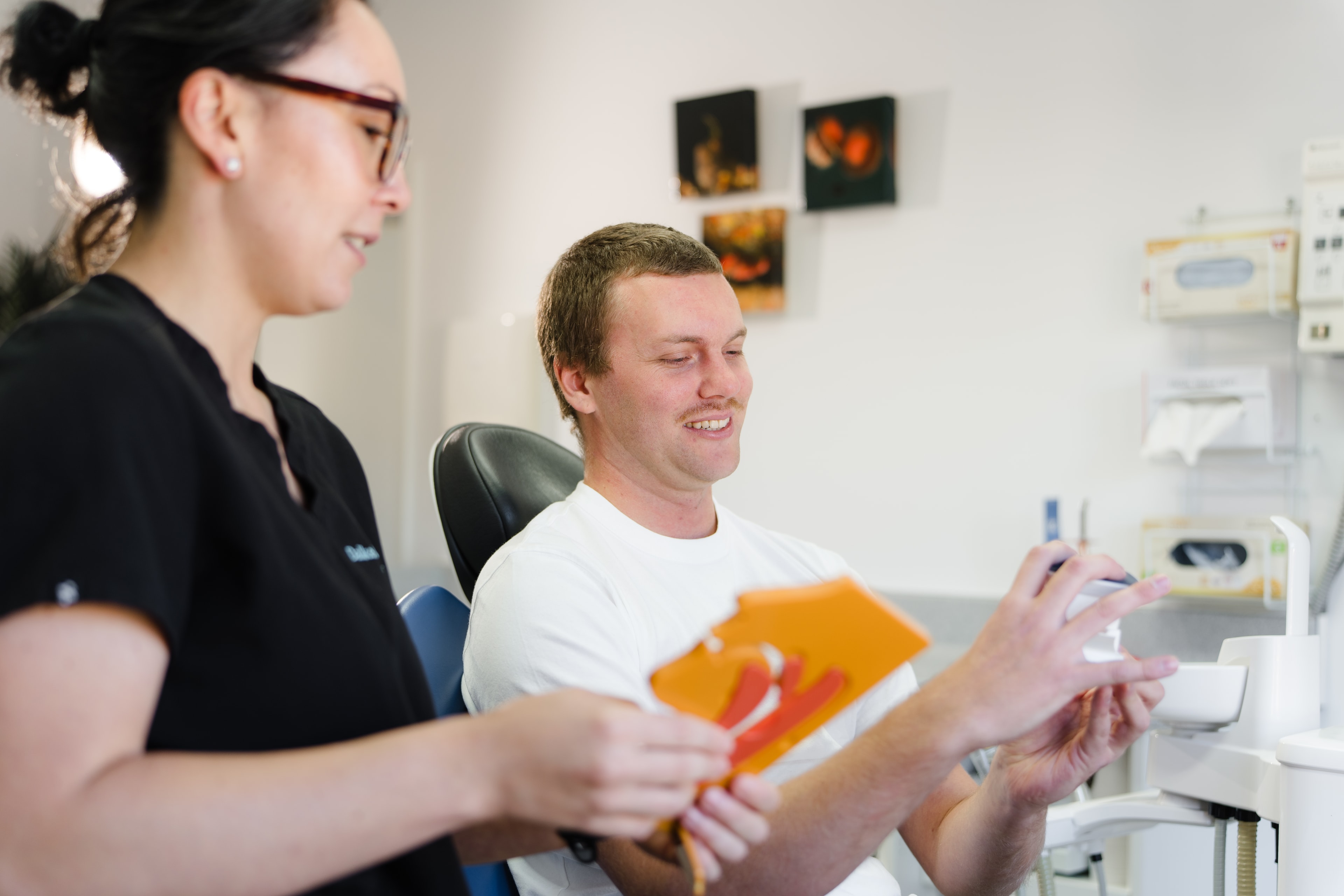
Useful for
Missing teeth, new denture planning, loose or damaged dentures, sore areas, and changes in chewing, speech or fit.
Costs
Fees depend on assessment, appliance type, materials, laboratory work, visits and any other dental care. Ask for an itemised estimate.
Risks & limitations
Adaptation, rubbing, looseness and breakage can occur. Dentures need cleaning and reviews; adjustment, relining or replacement may be needed.
We check the denture, gums, remaining teeth and bite to understand what has changed. Looseness or soreness may involve the appliance, supporting tissues, saliva or health changes. Assessment helps determine whether repair, adjustment, a reline, replacement or another approach is suitable.
Tell your dentist about symptoms, denture use and cleaning, and changes in your health or medicines. Assessment considers both the appliance and your mouth.
The base, teeth, clasps, cracks, wear, bite and stability are checked. Your ability to insert, remove and clean the denture also matters.
Your dentist examines supporting tissues, sore areas and ulcers. Gum and bone shape, saliva and muscle control can affect fit and tolerance.
For partial dentures, supporting teeth, fillings, crowns, looseness, decay risk, gum health and cleaning access are reviewed. Other care may be needed first.
Relevant records, treatment choices, materials, limitations, laboratory timing and itemised costs are discussed. Complex cases may need referral or a second opinion.
Bring your denture and any broken pieces. Stages and visit numbers vary with the problem, chosen treatment and laboratory work; a new denture usually involves more than an assessment visit.
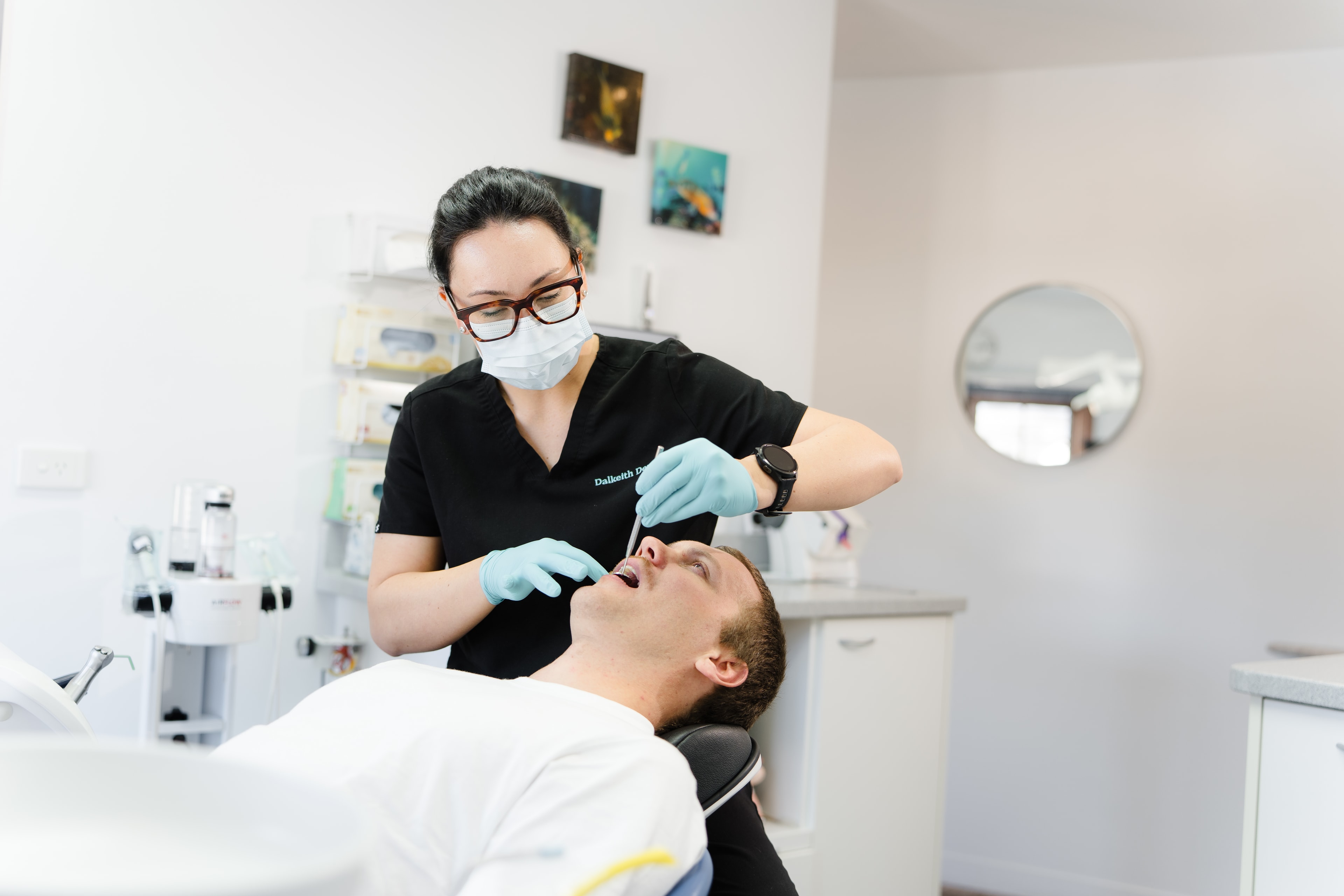
Your dentist reviews symptoms, fit and oral health, then discusses options, risks and costs. Decay, gum problems or extraction planning may need attention first.
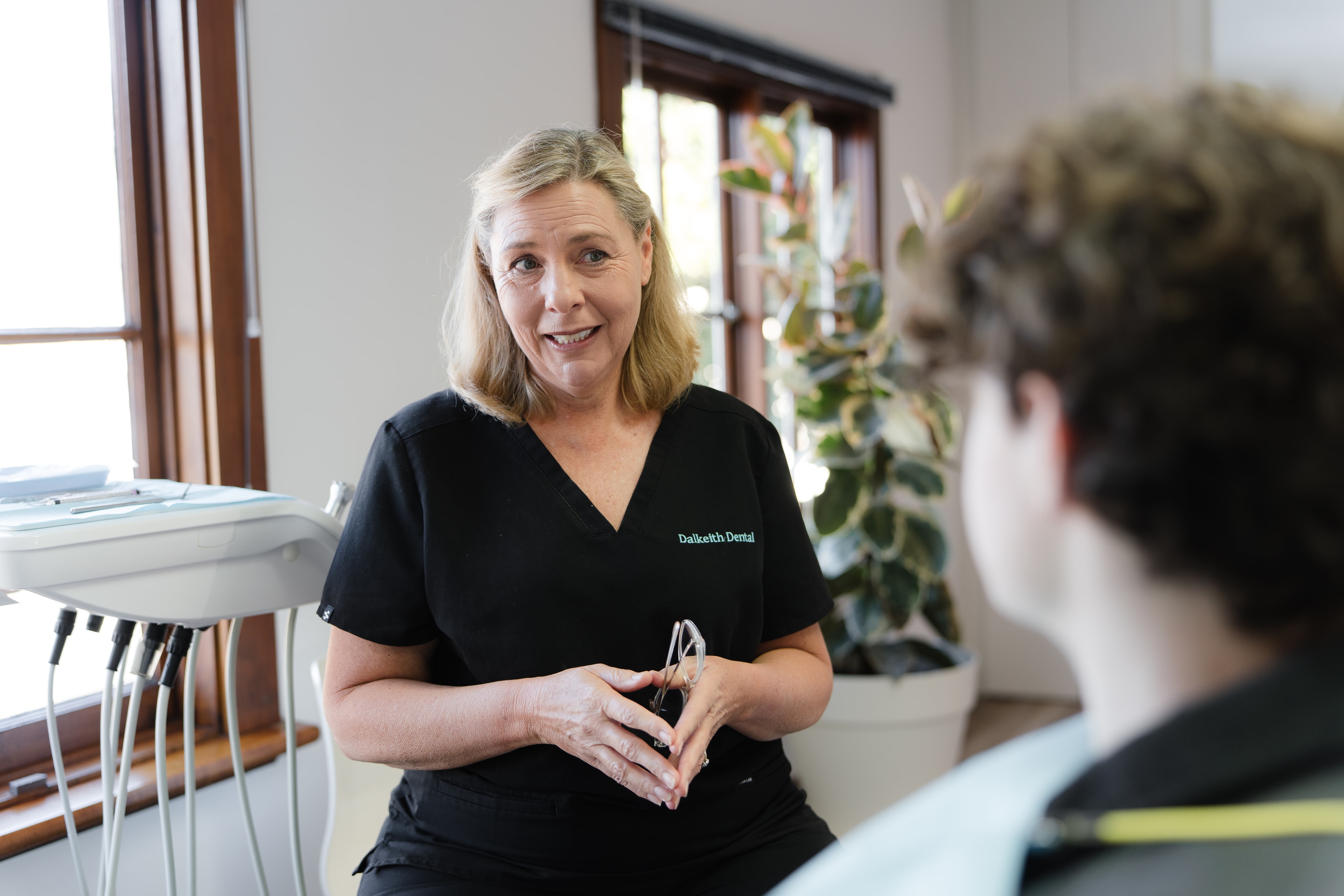
If needed, impressions or scans, bite records and tooth details guide laboratory work. New dentures may include trial stages to assess bite, tooth position and appearance.
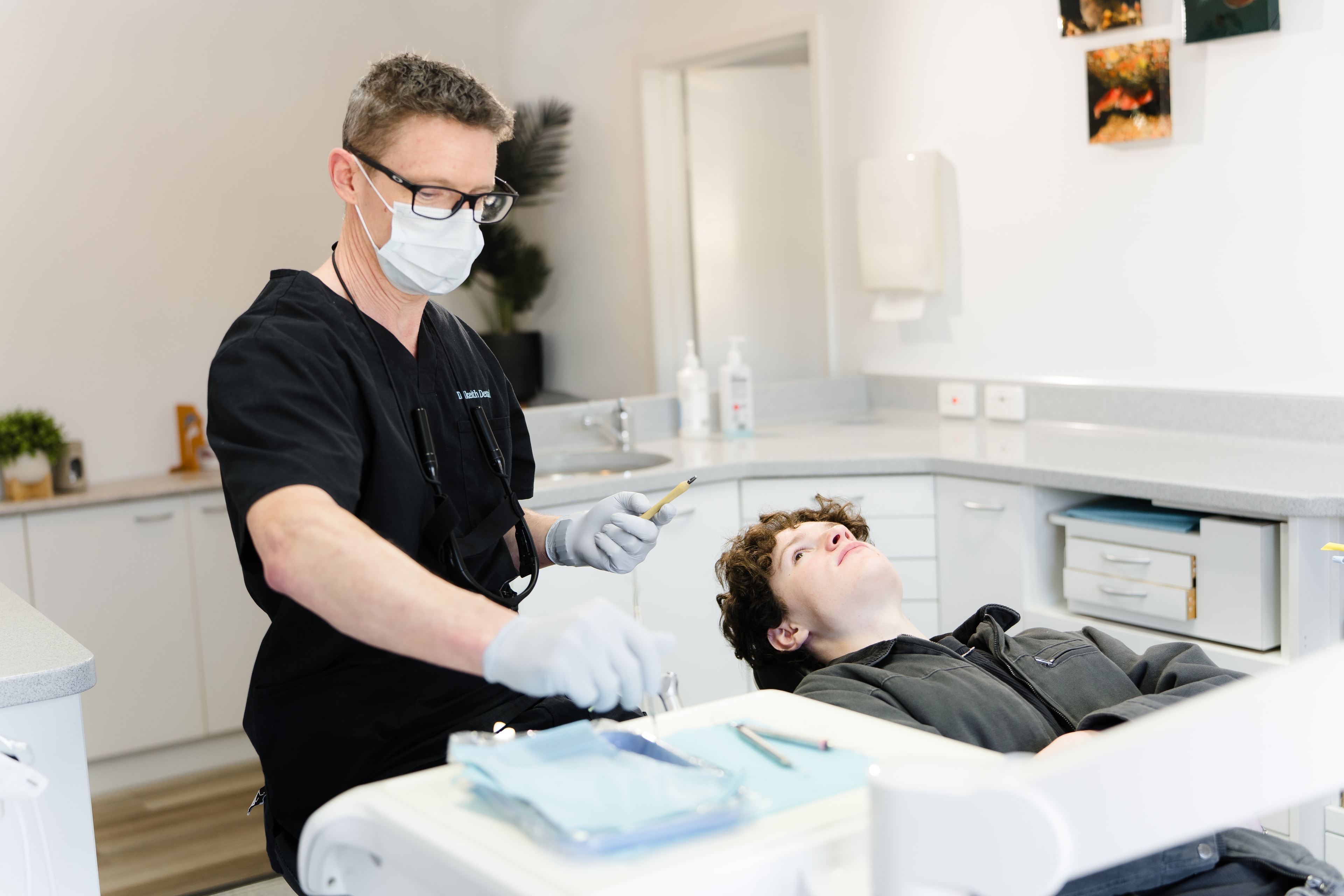
The appliance is checked when fitted or returned. You receive insertion, removal, cleaning and adaptation advice. Follow-up adjustments may be needed, sometimes over several visits.
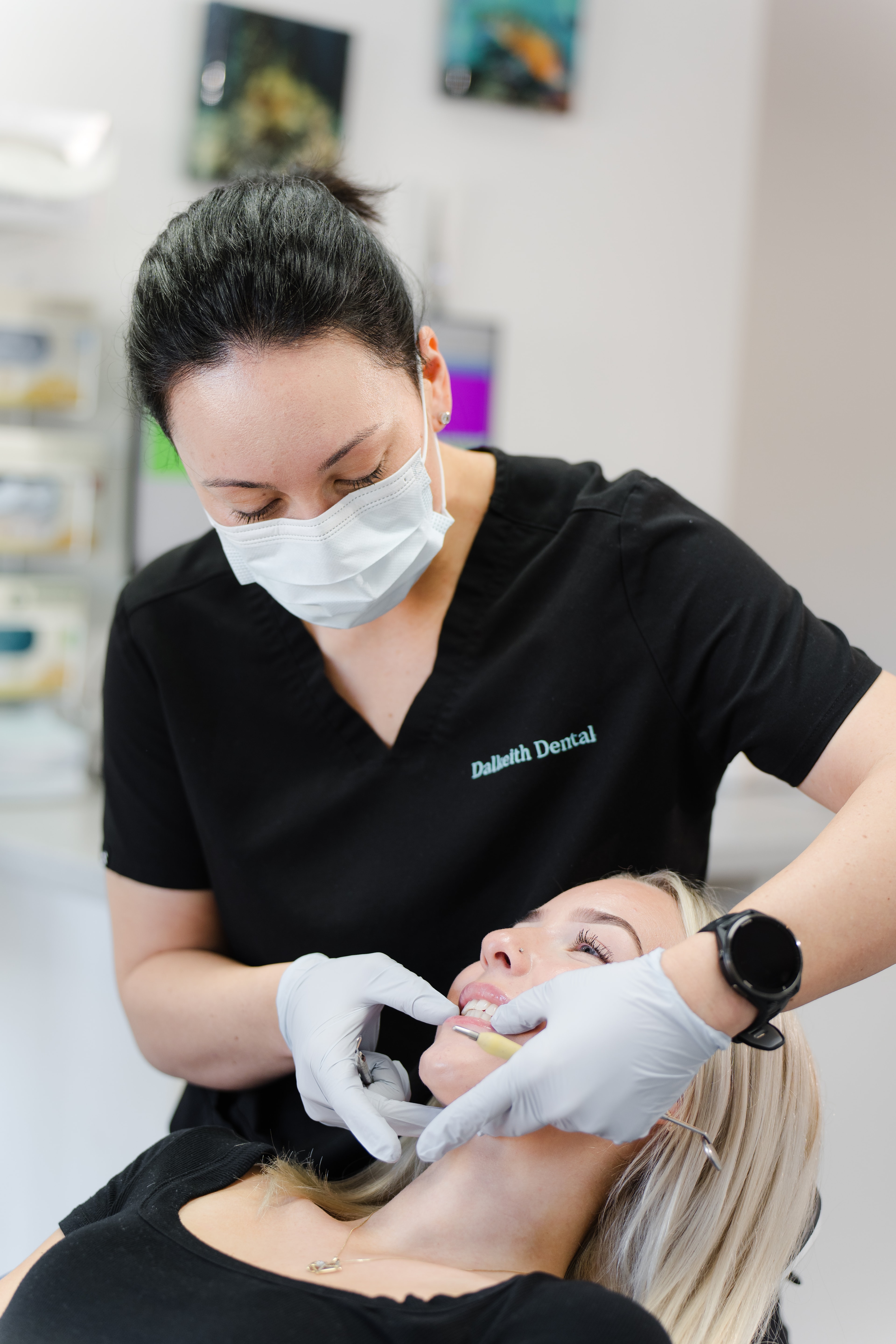
Dentures and the tissues supporting them change over time. Follow your appliance-specific instructions and arrange reviews based on your oral health and denture condition.
These pages explain related replacement options, extraction planning, urgent care and fees. Your dentist can help you decide which are relevant.
























Answers about denture types, repair, relines, adaptation, cleaning, risks, costs and when to seek advice.
A partial denture replaces some teeth; a complete denture replaces all teeth in an upper or lower arch. Acrylic or metal-framework designs may be considered. Dentures may help chewing, speech and lip or cheek support, but results vary. An immediate denture is planned before extractions and fitted afterwards; healing may mean later adjustments, relining or replacement. Your dentist will explain suitable, available options.