





Space and support teeth
The gap, tooth position, remaining tooth structure, cracks, decay, large fillings, crowns and previous root canal treatment help determine whether the teeth can support a bridge.
A dental bridge fills a missing-tooth space using the neighbouring teeth for support. At Dalkeith Dental, we check those teeth, your gums, bite and cleaning access first, then compare a bridge with the other options for your gap.
Book to discuss a missing tooth or an existing bridge. If a tooth has recently been lost through pain, swelling or injury, call 08 9386 3437 so we can advise on the immediate concern.
Useful for
Selected missing tooth spaces where supporting teeth, gums, bite and cleaning access make a bridge suitable.
Costs
Fees depend on the design, materials, laboratory work and any supporting-tooth treatment. Ask for itemised costs before proceeding.
Risks & limitations
Bridges need ongoing care. Preparation, sensitivity, decay, gum changes, loosening or fracture may lead to further treatment.
A bridge is a fixed replacement for one or more missing teeth. A tooth-supported bridge attaches to neighbouring teeth, often using crowns. The design depends on the gap, the supporting teeth and how you bite and clean. Assessment helps compare this with a denture, an implant restoration or monitoring the space.
Your dentist reviews the gap, supporting teeth, gums, bite and cleaning access, alongside your medical history and treatment preferences.
The gap, tooth position, remaining tooth structure, cracks, decay, large fillings, crowns and previous root canal treatment help determine whether the teeth can support a bridge.
Gum health, bone support and the shape of the space matter. Your dentist checks whether the proposed bridge would allow effective cleaning underneath and around its edges.
How your teeth meet, signs of clenching or grinding and jaw symptoms can affect the bridge design and the forces placed on supporting teeth.
X-rays, photographs, impressions or scans may help planning. Your dentist explains suitable designs and materials, alternatives, risks, likely stages and itemised costs before treatment.
Your first visit focuses on assessment and options. If you choose a suitable bridge, treatment may follow these stages across several appointments. Preparatory care and laboratory work affect timing.

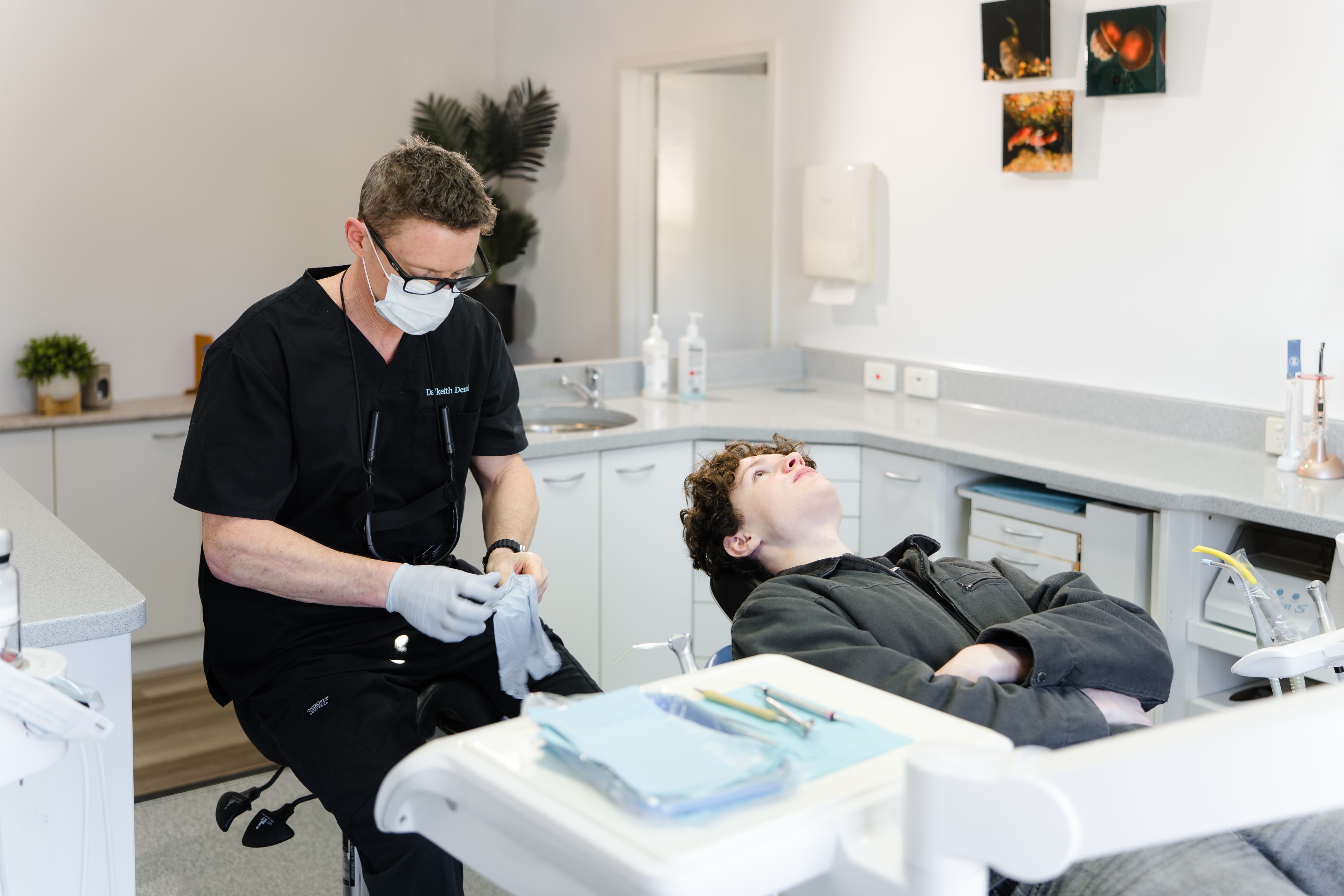
Your dentist examines the gap and supporting teeth, compares alternatives and discusses materials, risks and costs. Decay, gum problems or extraction healing may need attention first.
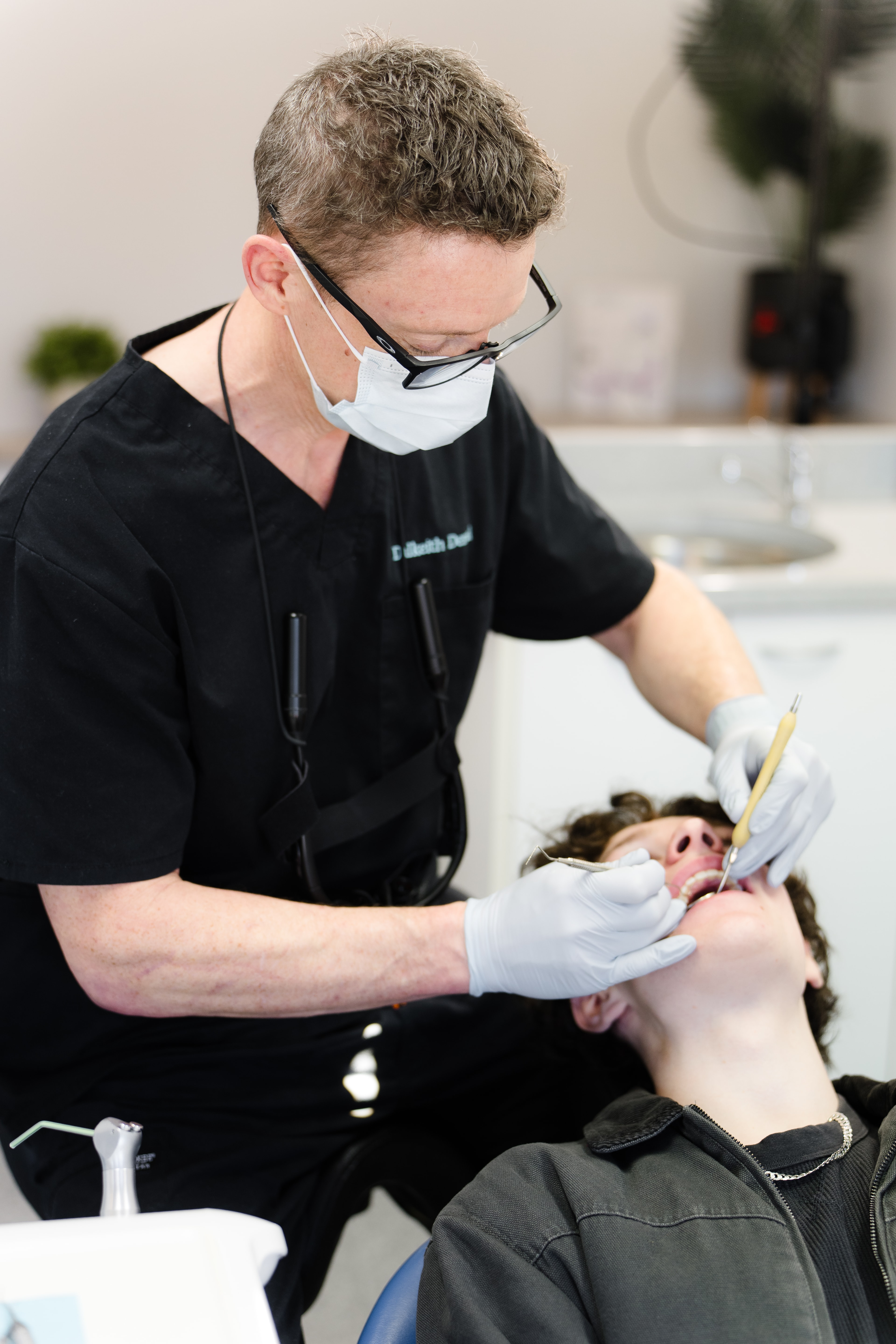
Depending on the design, supporting teeth may be shaped under local anaesthetic. Impressions or scans guide the laboratory work; temporary protection or replacement may be needed.

The fit, bite, appearance and cleaning access are checked before the bridge is secured. Your dentist explains home care, any adjustments and reviews based on your needs.

A bridge needs daily cleaning and ongoing reviews. The supporting teeth, gums and bite can change, even when the bridge feels comfortable.
These pages explain related care, replacement options and costs. Your dentist can help you decide which information is relevant to your situation.
























Answers to common questions about dental bridges, materials, alternatives, treatment stages, cleaning, costs and ongoing care.
A dental bridge is a fixed replacement for one or more missing teeth. The bridges discussed here use neighbouring teeth for support; implant-supported bridges are another design. A suitable bridge may help chewing, speech or appearance where a gap affects these, but the benefit varies. It still needs cleaning, reviews and possible future treatment.