





Tooth structure and restorations
Enamel, cracks, decay and existing fillings, crowns or veneers are assessed to determine whether further treatment or preparation may be required.
Veneers may be considered for concerns involving tooth shape, colour, spacing or proportion. Suitability depends on oral health, bite and required tooth preparation. As preparation may be irreversible, alternatives, risks, limitations and maintenance should be discussed before treatment.
Arrange a veneer consultation to discuss concerns about tooth shape or appearance, compare available options and understand what may be suitable following an assessment.
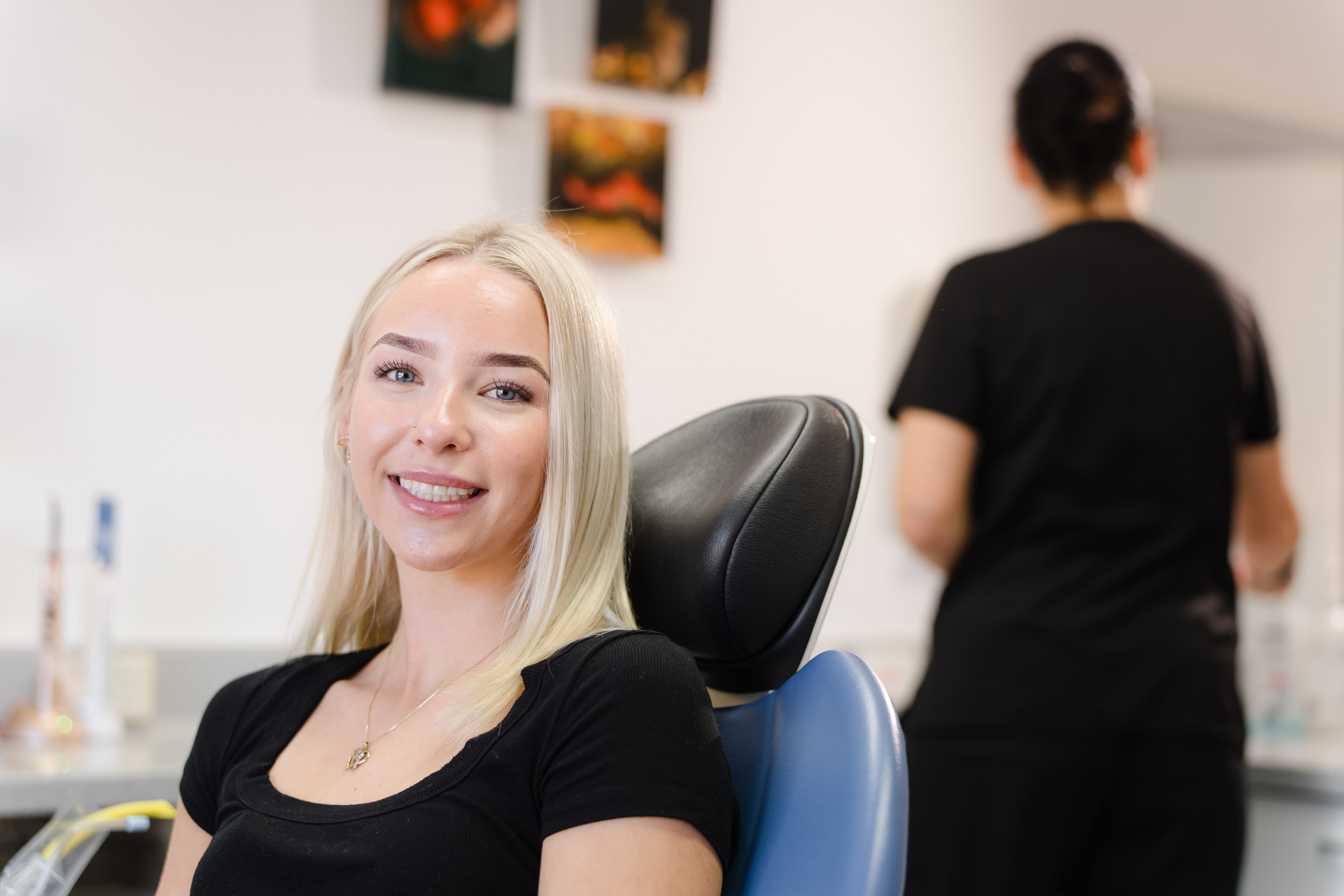
Useful for
Selected tooth shape, colour, edge, spacing, proportion, or older visible dental work concerns after suitability and alternatives are assessed
Costs
Fees depend on records, material, number of teeth, preparation, lab work, staging, and health fund rules; itemised costs are discussed first
RISKS & LIMITATIONS
Possible risks, limitations, expected maintenance requirements, and the potential need for additional care are discussed where relevant before treatment begins.
Veneers may alter certain aspects of tooth appearance, but what can be achieved depends on individual clinical factors. A consultation should clarify the intended changes, treatment limitations and whether expectations are realistic.
A clinical assessment helps determine whether veneers are suitable and identifies factors that may affect planning. Any findings and clinically relevant options are discussed before treatment is considered.
Enamel, cracks, decay and existing fillings, crowns or veneers are assessed to determine whether further treatment or preparation may be required.
Gum health, recession, inflammation and the amount of tooth and gum visible when smiling are considered during planning.
Bite forces, tooth contact, clenching, grinding and signs of wear may affect suitability, material selection and maintenance needs.
Photographs, scans, impressions or radiographs may be taken when clinically indicated. Digital previews or trial designs are planning aids and do not guarantee the final result.
The initial appointment focuses on understanding the concern, examining oral health and discussing suitable options. No treatment decision needs to be made during the consultation.
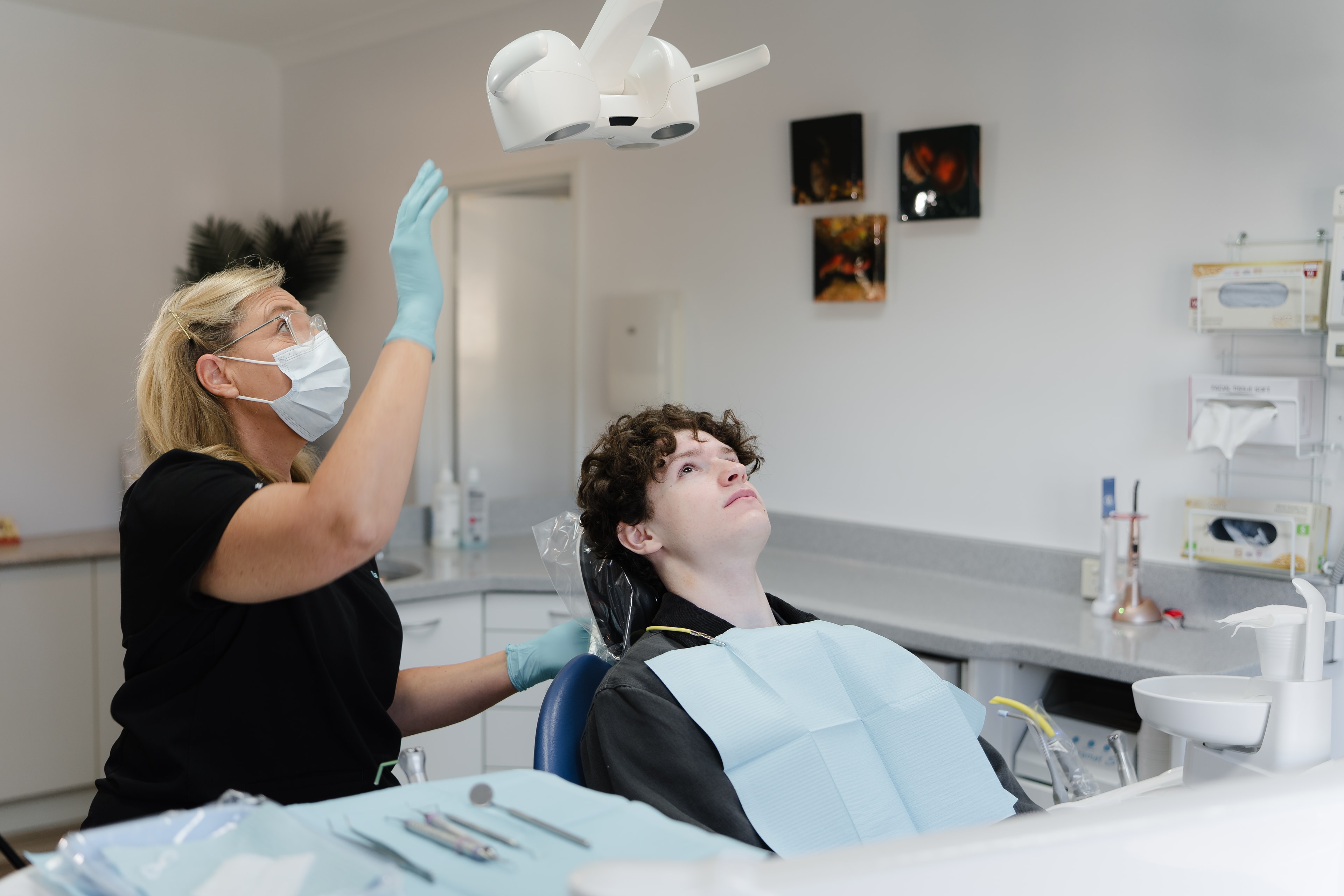
The dentist will ask what prompted the visit, what changes are being considered and about any previous dental treatment.
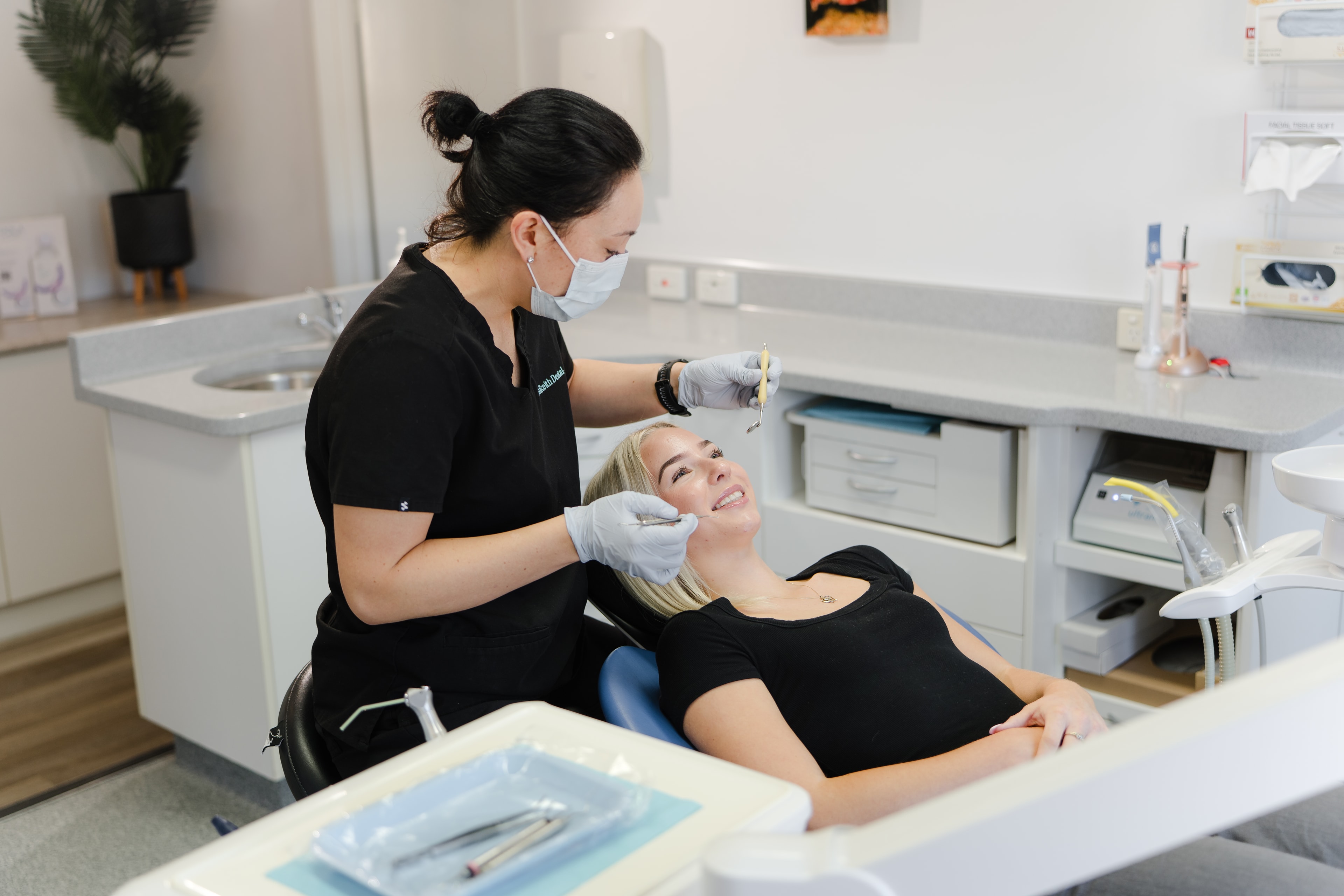
The teeth, gums, bite and existing dental work are examined. Photographs, scans or X-rays may be recommended when clinically indicated.

The dentist will explain the findings, relevant options, possible expected steps, limitations, risks, fees and maintenance requirements.
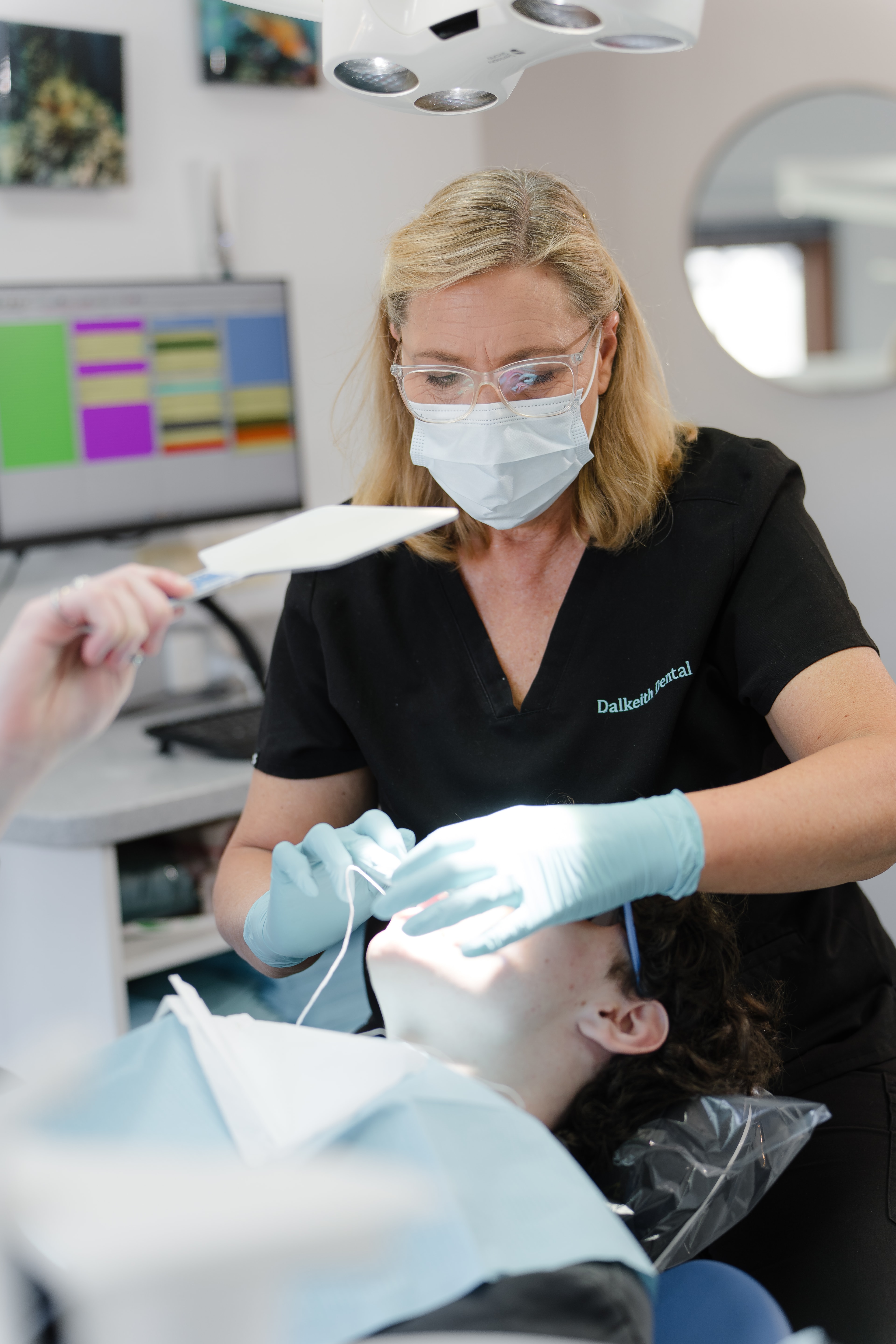
Veneers cover part of a tooth, but the tooth and surrounding gums still require attention. Home care and dental visits allow us to monitor changes that may affect their condition or maintenance.
Other services may be considered before or instead of veneers. Relevance depends on the concern, oral health, bite and clinical findings.
























Answers to practical questions about veneer materials, treatment timing, tooth sensitivity, and maintenance.
A single veneer may be considered, but matching its shade, shape and surface characteristics with the surrounding teeth can be complex. The number of teeth involved depends on the concern, existing dental work, bite and treatment plan. An exact match cannot be guaranteed.