





Tooth and existing dental work
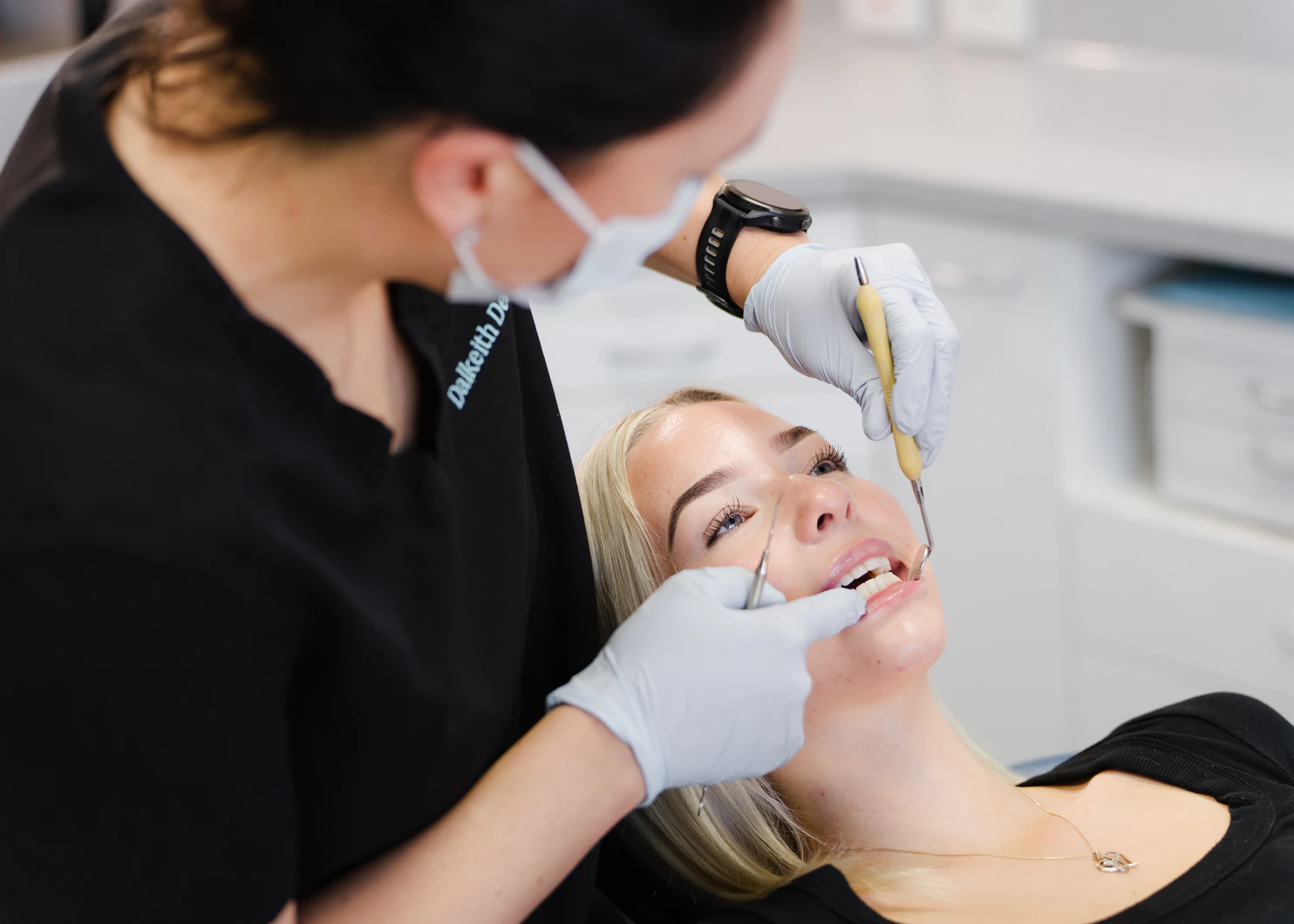
The tooth is examined for chips, cracks, decay, enamel condition, wear and existing fillings or other restorations.
Cosmetic bonding may be considered for selected small chips, uneven edges, minor gaps or differences in tooth shape. The dentist will assess the tooth, gums and bite to determine whether bonding or another option may be appropriate.
Arrange a cosmetic bonding consultation to discuss the concern and available options. If a tooth has recently broken or is painful, sharp or sensitive, contact the practice for an assessment.
Useful for
Selected small chips, uneven edges, minor shape concerns, small spaces, or shade mismatch after tooth health, bite, and suitability are checked
Costs
Fees depend on tooth number, repair size, shade matching, records, staging, and health fund rules; itemised costs are discussed first
RISKS & LIMITATIONS
Possible risks, limitations, expected maintenance requirements, and the potential need for additional care are discussed where relevant before treatment begins.
Bonding may be discussed when a small change or repair is being considered. The appropriate approach depends on the cause of the concern, the condition of the tooth and how it functions within the bite.
Before recommending cosmetic bonding, the dentist examine the concern and the factors that could affect treatment or maintenance.
The tooth is examined for chips, cracks, decay, enamel condition, wear and existing fillings or other restorations.
Tooth contacts, bite forces, clenching, grinding and wear patterns are assessed because they may place additional pressure on the bonded area.
Gum health, plaque control and access for cleaning are considered, particularly when bonding is planned near the gumline or between teeth.
The proposed shape, shade, preparation, risks, limitations and alternatives are discussed before treatment. Records may be taken when clinically indicated.
The initial appointment is used to clarify the concern, examine the relevant tooth and explain the available options. Bonding may be arranged separately if further records or dental care are required.
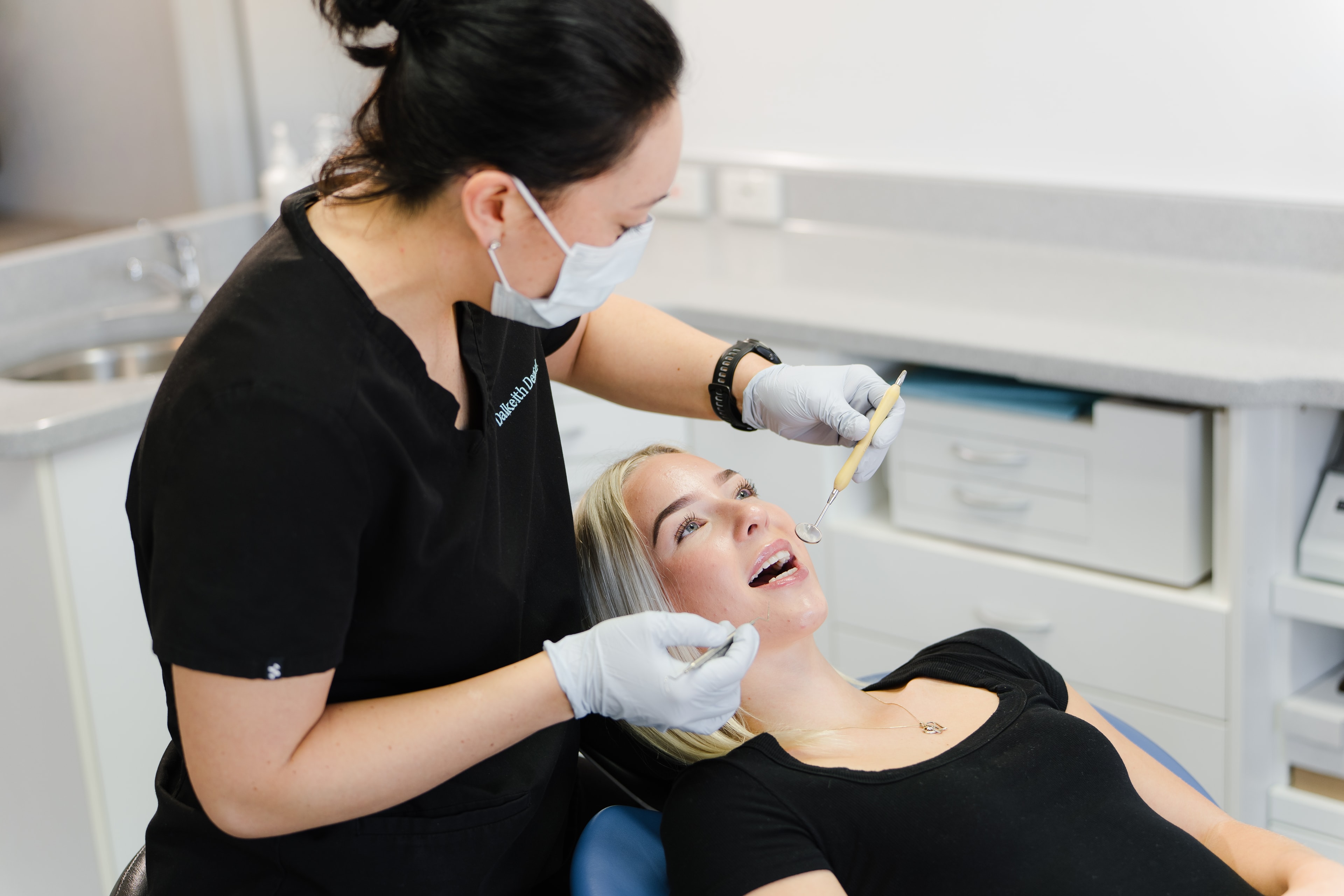
The dentist asks what prompted the appointment, whether there are symptoms and about previous treatment involving the tooth or surrounding area.
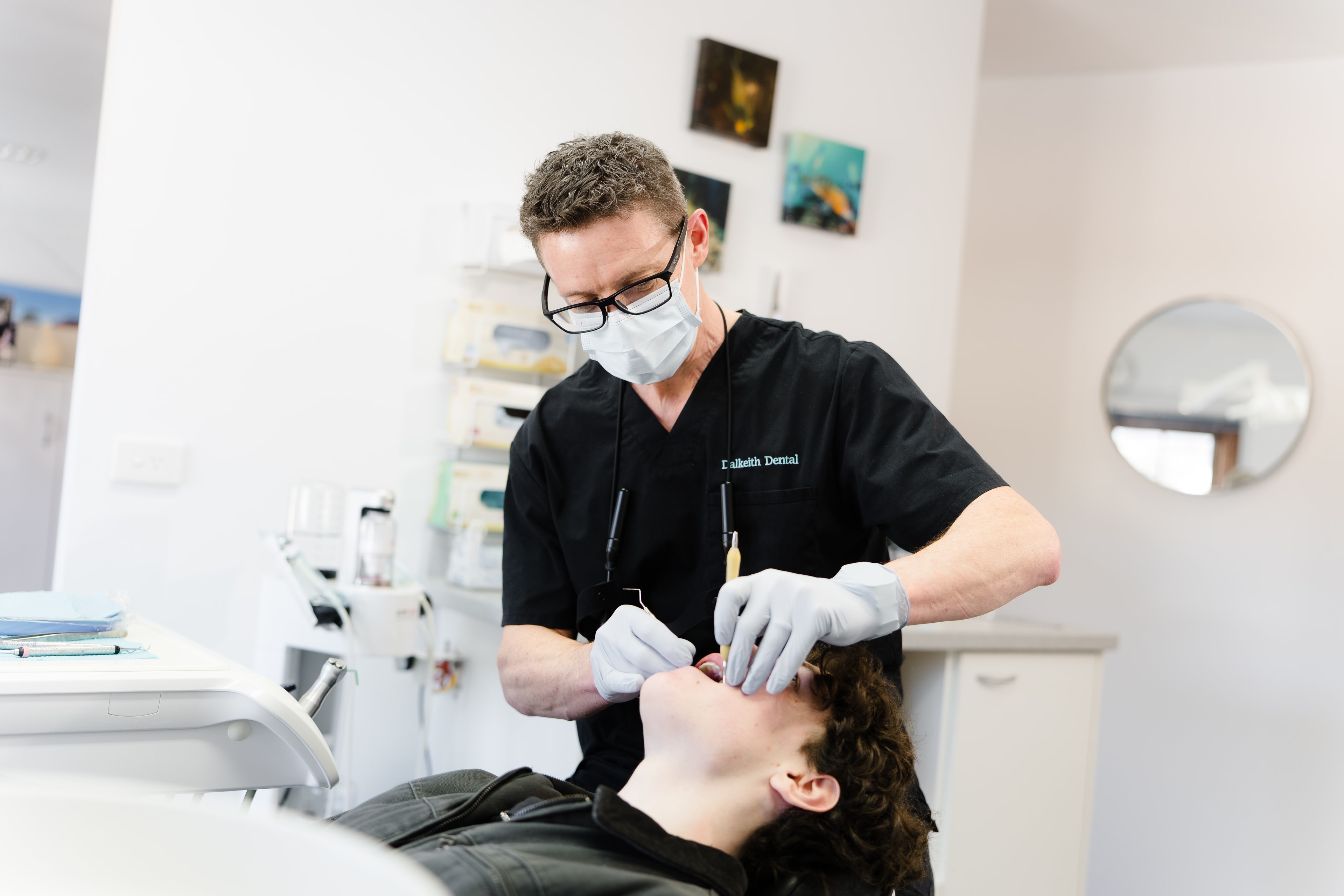
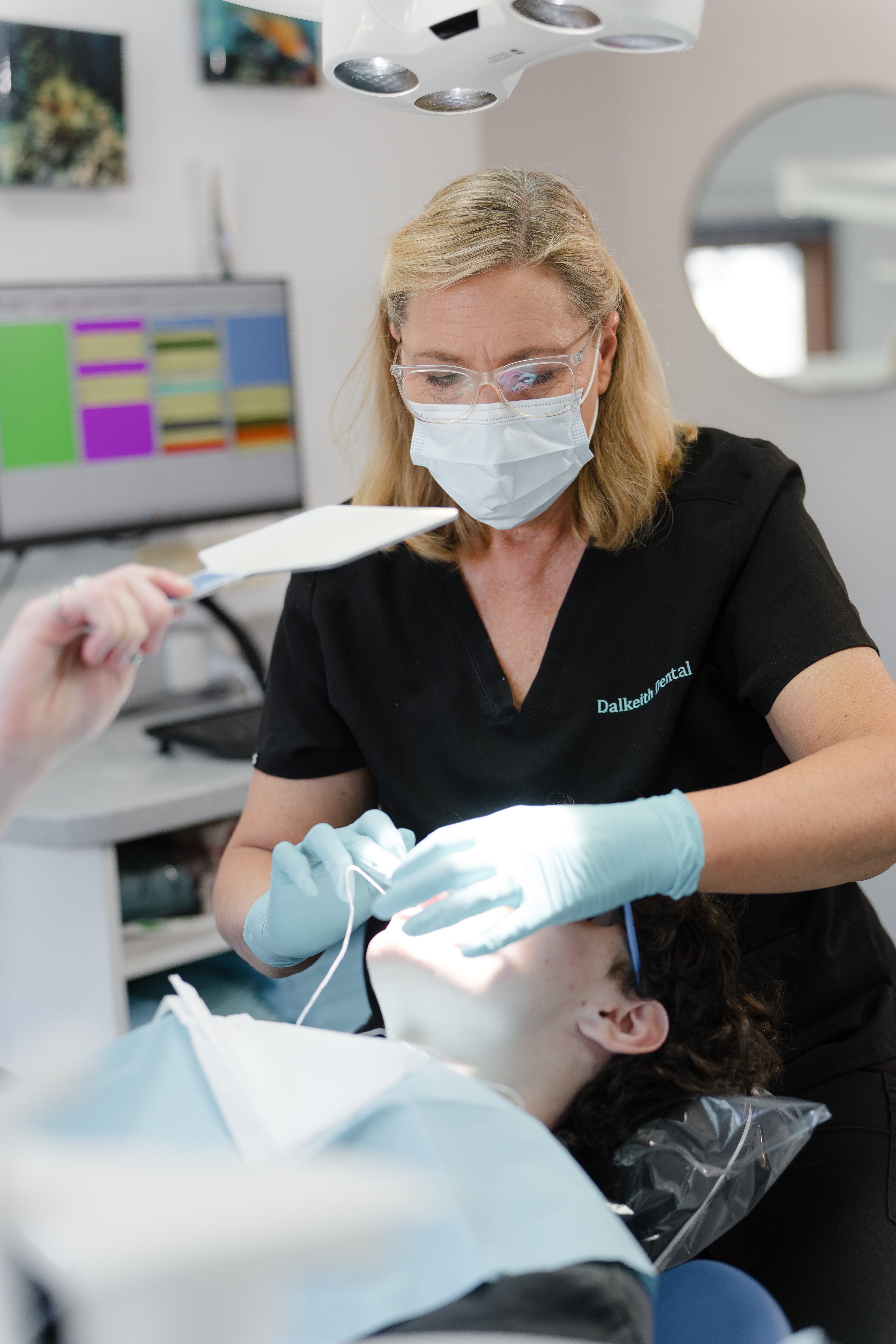
The tooth, enamel, gums, bite and existing dental work are examined. Photographs, radiographs or other records may be recommended when clinically indicated.
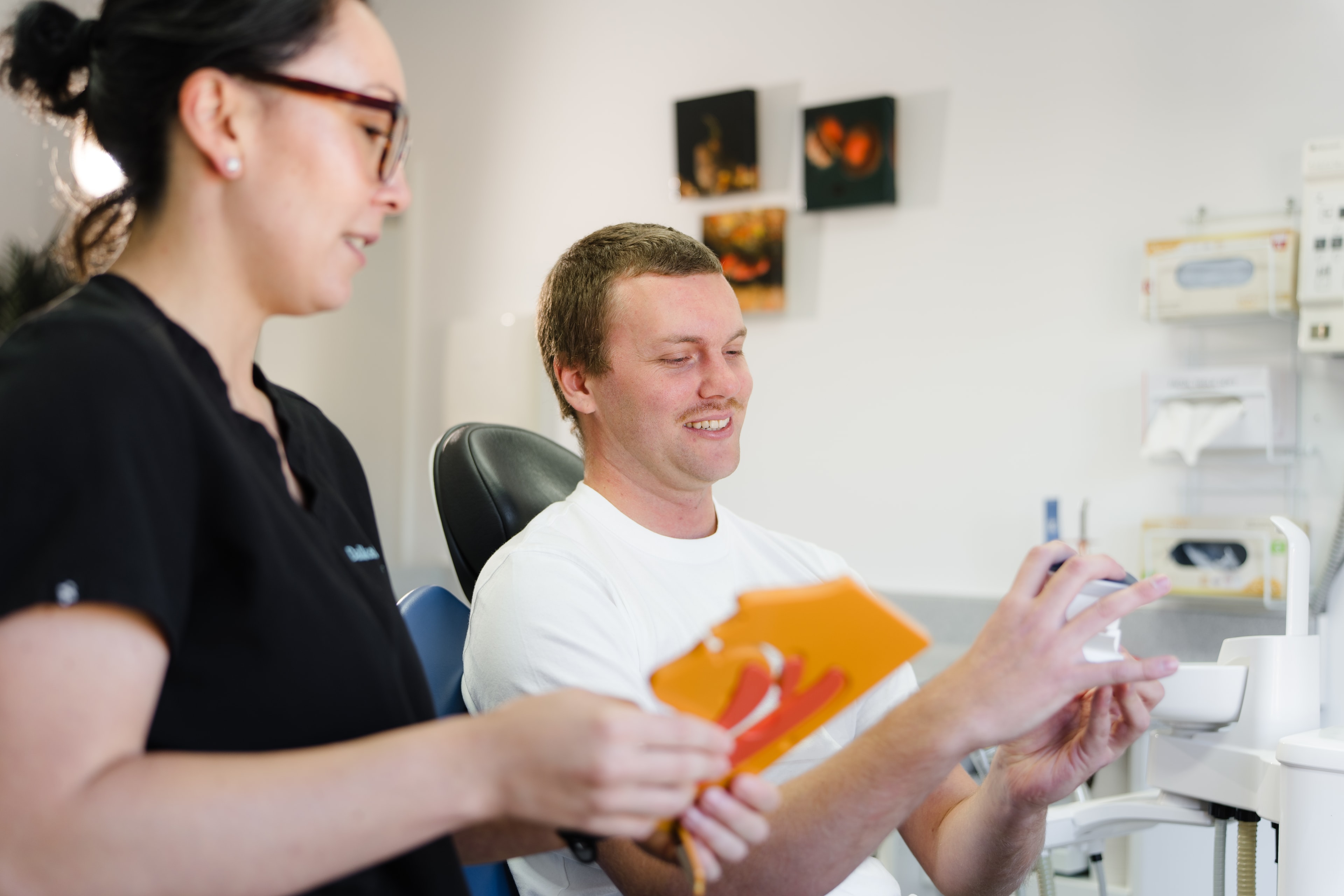
The findings are explained along with suitable options, possible preparation, limitations, risks, maintenance requirements and expected fees before treatment is arranged.
Bonded teeth still require regular home care and dental assessment. Changes to the material, tooth, gums or bite may affect whether maintenance is required.
The appropriate option depends on the cause and extent of the concern, the condition of the tooth and the intended treatment goals. Sometimes bonding is compared with other forms of care before a recommendation is made.
























Answers to questions about cosmetic bonding, existing dental work, appointment timing and factors that may affect future dental care.
Adding or repairing bonding may be possible in selected situations, but resin does not attach in the same way to every restorative material.
The dentist will assess the existing restoration, its margins, condition and material, as well as the reason for the chip, wear or colour difference. Polishing, repair, replacement or another option may be recommended. An exact shade match cannot be guaranteed.