





Tooth surfaces and grooves
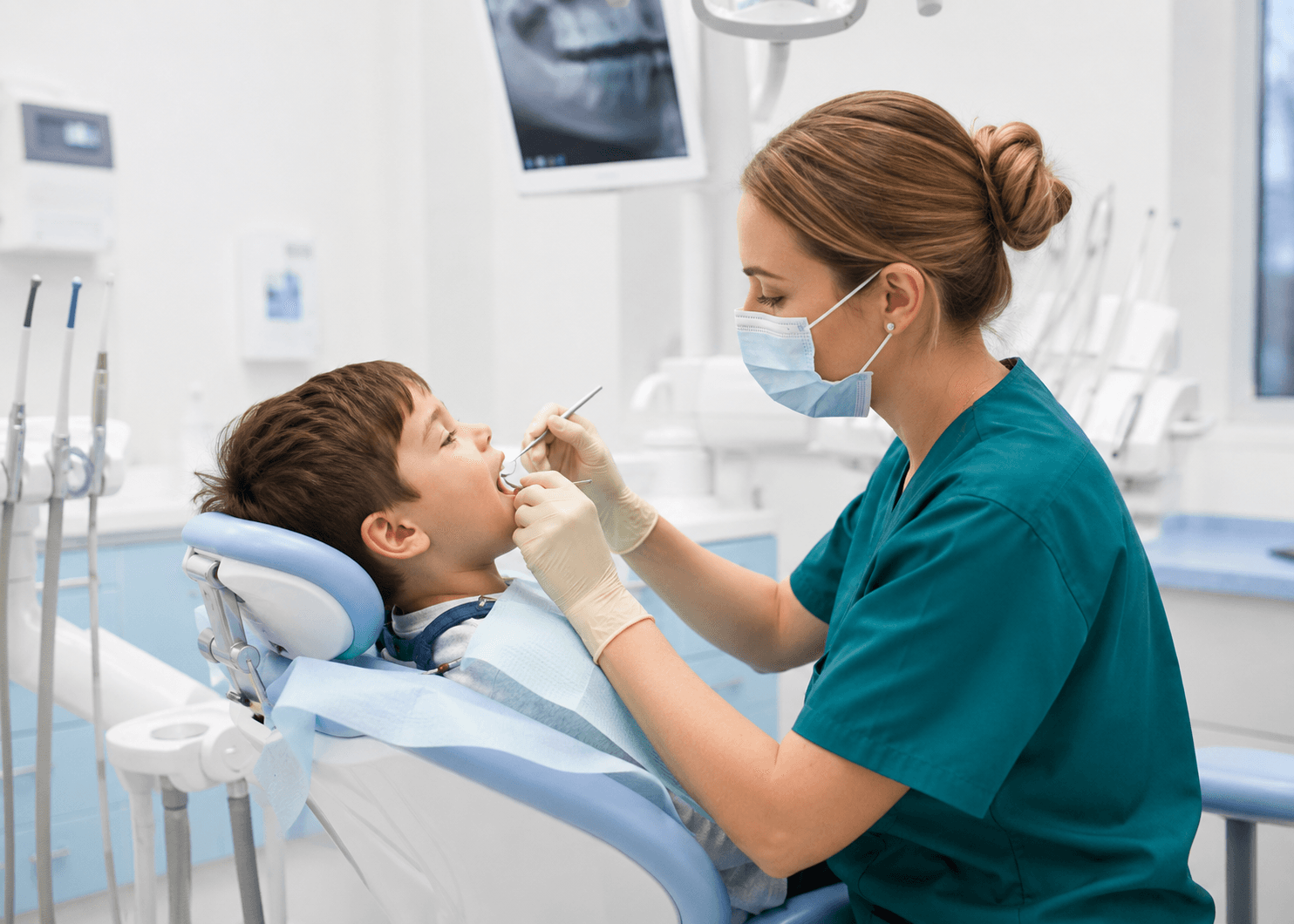
The dentist checks tooth surfaces, back-tooth grooves, early enamel changes, sensitivity, eruption stage, and areas that may be harder to clean.
Children's prevention is about making everyday brushing, diet and dental visits more manageable as they grow. We focus on the areas where your child is actually at risk rather than adding treatments automatically.
Bring your prevention questions to your child's next check-up. If there is pain, swelling or trauma, call us for more urgent advice.
Useful for
Brushing support, diet discussion, fluoride advice, fissure sealant review, decay-risk planning, and family prevention routines
Costs
Fees depend on the appointment, preventive options, records, and health fund cover; itemised costs are discussed first
RISKS & LIMITATIONS
Possible risks, limitations, expected maintenance requirements, and the potential need for additional care are discussed where relevant before treatment begins.
We look at tooth eruption, plaque patterns, gum health, diet, brushing, fluoride exposure and any orthodontic appliances. Advice may change over time as adult teeth come through and your child becomes more independent.
Your dentist checks tooth surfaces, grooves, gums, plaque, habits, diet, and suitability before recommending fluoride, fissure sealants, or other preventive care.
The dentist checks tooth surfaces, back-tooth grooves, early enamel changes, sensitivity, eruption stage, and areas that may be harder to clean.
Plaque build-up, bleeding, gum tenderness, soft tissues, and cleaning access are reviewed before home-care advice is suggested.
Brushing, toothpaste amount, diet habits, snacks, drinks, dry mouth, orthodontic appliances, and family routines can affect prevention planning.
Fluoride, fissure sealants, radiographs, monitoring, or treatment are discussed only after suitability and the reason for recommending them are explained.
Together we can choose a practical plan — whether that is improving brushing, adjusting snacks or drinks, adding fluoride, considering fissure sealants, or simply keeping an eye on a tooth as it develops.
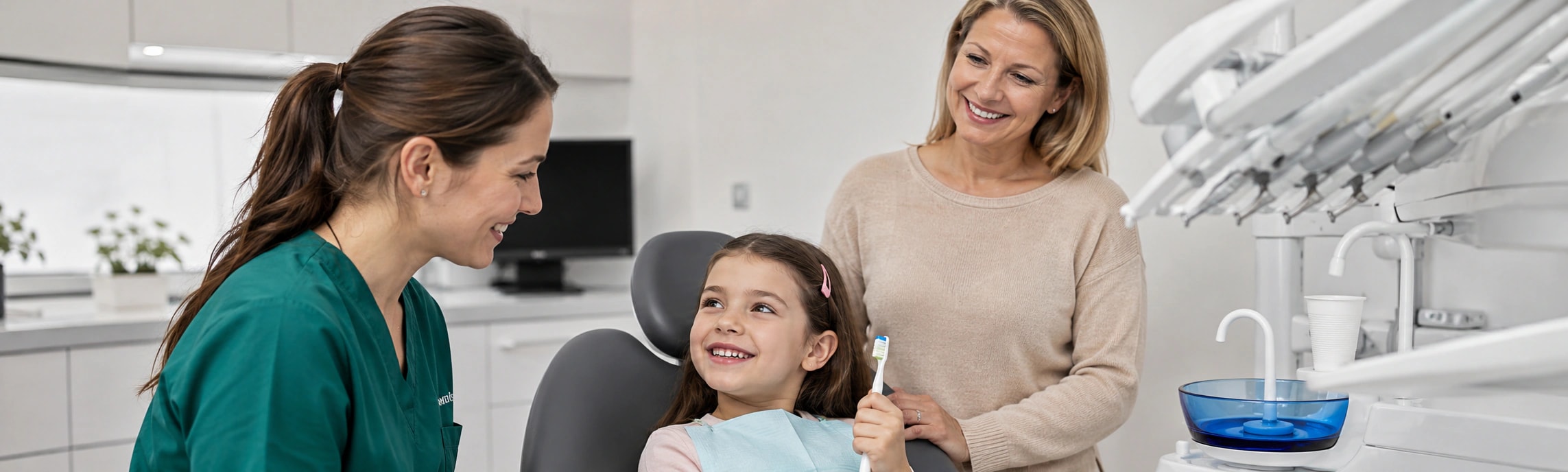
The visit starts with what is working at home, what is hard, and whether there are concerns about brushing, diet, sensitivity, plaque, or recent dental findings.
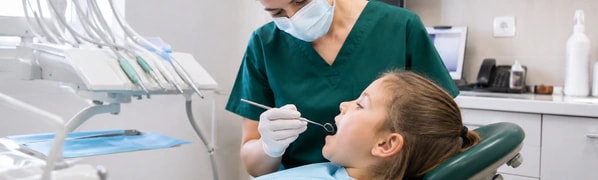
The dentist may assess the teeth, gums, tooth development, oral hygiene and any dental appliances where relevant.

Based on the findings, preventive advice, fluoride, fissure sealants, monitoring or future visit timing may be discussed where appropriate.
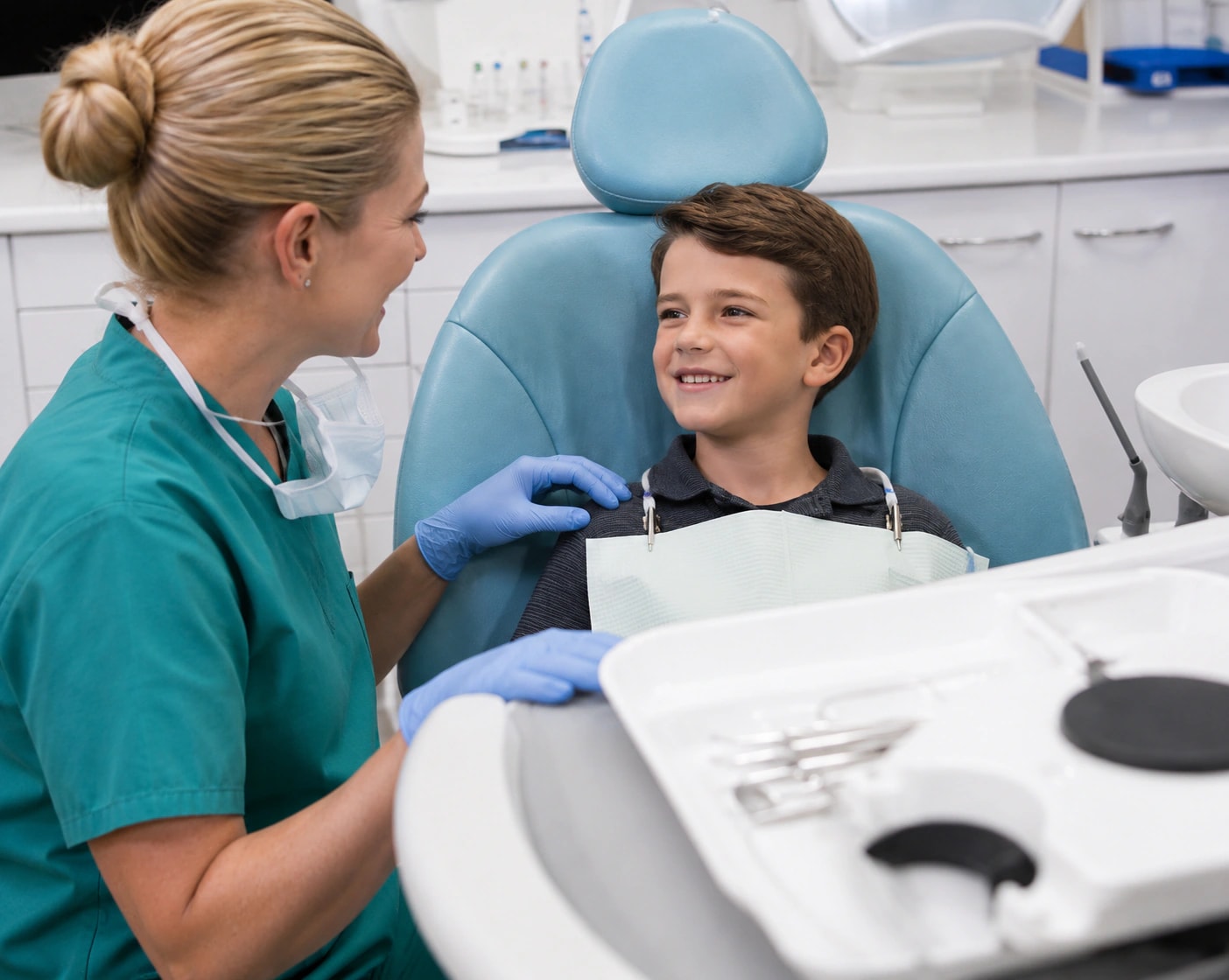
A practical preventive care plan considers the child's age, oral health, daily routines and clinical findings. Recommendations may change as adult teeth emerge, habits develop, orthodontic appliances are introduced or the risk of tooth decay changes.
Children's prevention often connects with check-ups and cleans, fluoride treatments, fissure sealants, oral hygiene advice, and early orthodontic monitoring.
























Answers to parent questions about brushing, fluoride, fissure sealants, diet, decay risk, health funds, and what prevention can realistically look like at home.
It may include advice, monitoring, or preventive treatments, depending on what your child's mouth shows at the appointment.
The recommendation should fit your child's teeth, habits, risk factors, and comfort.